A multicenter study led by the Parc Taulí Research and Innovation Institute (I3PT) has shown that a innovative treatment for early rectal cancer, which combines local chemo-radiotherapy followed by minimally invasive local surgery, achieves very favorable results.
The clinical trial, under the name TAUTEM and published in JAMA Surgery —the world's most prestigious journal in the field of surgery—has shown that the proposed treatment achieves a significant improvement in morbidity, equal survival figures, at the same time as avoid permanent sequelae that current treatments cause based on rectal extraction.
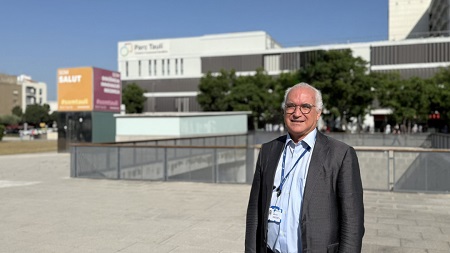
The TAUTEM study has been led by surgeon and researcher Xavier Serra-Aracil and has had the participation of 17 hospitals and 173 patients, which makes it the most relevant carried out so farAs the researcher explains, “this change in strategy is very important given that it is a minimally invasive treatment that allows the rectum to be preserved in most patients with early cancer, thus avoiding the serious sequelae of radical surgery, which influence the loss of quality of life, the need to wear intestinal bags and, especially in the case of men, the associated sexual dysfunctions”.
“The impact is very significant: we maintain 90% long-term cure rates without having to remove the organ", he says. "It's a paradigm shift in the approach to rectal cancer in the early stages, which represents a decisive step towards modifying international clinical guidelines and improving the quality of life of thousands of patients."
Global increase in colorectal cancer detection
El Colorectal cancer is the third most common cancer in the world and the second most deadly. among people over 50 years old. In 2020, 1,9 million new cases were diagnosed and nearly 935.000 deaths from this type of tumor occurred. However, if detected at an early stage, it is very easy to treat and has a high probability of cure.
The WHO points to a global trend of increase in these types of tumors, especially among the younger population, attributable, to a large extent, to screening programsThat is why experts remind us of the importance of

La mejor actitud que podemos adoptar es la de trat...

The research team observed changes in head circumf...
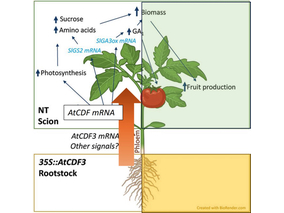
AtCDF3 gene induced greater production of sugars a...
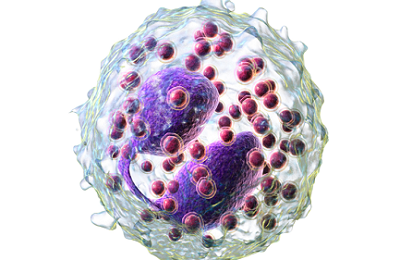
En nuestro post hablamos sobre este interesante tipo de célula del...

Telum Therapeutics, a biotechnology company leveraging proprietary met...