An international study involving researchers from Lleida has identified three clinical factors that can predict serious complications in patients with ascites caused by liver cirrhosis. Ascites is the accumulation of fluid in the abdomen, one of the most common and debilitating complications of advanced liver disease, which can cause swelling, discomfort and difficulty breathing or moving. The study opens the door to the early application of the TIPS (transjugular intrahepatic portosystemic shunt) technique in high-risk patients, which could significantly improve their quality of life and survival. The research has been published in the journal JHEP Reports.
The research was led by researchers from the Medical University of Vienna, the University of Padua, the Clinical Coordination Centre of Barcelona, the Hospital Clínico, the University of Barcelona, the University Hospital of Odense, the University of Southern Denmark, and Joan Valls Marsal, professor at the University of Lleida (UdL) and researcher at the Health Cures Research Group (GReCS) of the Lleida Biomedical Research Institute (IRBLleida).
Researchers have identified that patients with grade 3 ascites and low blood sodium levels (≤135 mmol/L) or a high MELD score (≥12 points) are at high risk (up to 74%) of developing complications related to portal hypertension within twelve months. These complications can potentially be prevented with early intervention using TIPS.
The analysis includes data from 451 patients treated at the University Hospitals of Vienna (Austria) and Padua (Italy). In addition to identifying risk factors, the results have been validated with an additional cohort. This new classification allows one-third of patients to be identified as optimal candidates for early TIPS.
The TIPS technique reduces pressure on the veins in the liver by creating a channel between two intrahepatic veins. This allows for better control of ascites and reduces the need for repeated drainages, improving patients' quality of life and preventing serious complications.
'This research allows us to objectively identify patients at higher risk of deterioration and apply more personalised medicine,' said researcher Joan Valls. 'This advance offers new hope for many people affected by chronic liver disease, especially in contexts where access to liver transplants is limited or delayed,' he added. He also indicated that 'we are already preparing a randomised clinical trial, currently in the approval phase, to demonstrate the efficacy and safety of early TIPS in this high-risk population.'
Article: Balcar L, Tonon M, Valls J, Calvino V, Simonis L, Embacher J, Gagliardi R, Sebesta C, Hafner L, Accetta A, Hartl L, Mandorfer M, Trauner M, Angeli P, Reiberger T, García-Pagán JC, Semmler G, Piano S. Risk of portal hypertensive complications preventable by TIPS in patients with ascites. JHEP Rep. 2025 May 31;7(8):101469. doi: 10.1016/j.jhepr.2025.101469. PMID: 40671836; PMCID: PMC12260411.
Image: The researcher Joan Valls Marsal

La mejor actitud que podemos adoptar es la de trat...

The research team observed changes in head circumf...
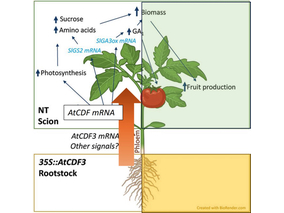
AtCDF3 gene induced greater production of sugars a...
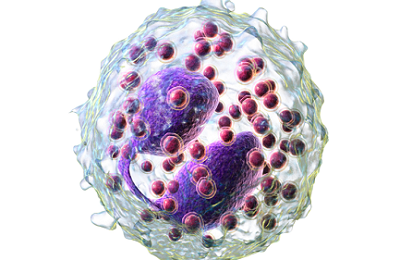
En nuestro post hablamos sobre este interesante tipo de célula del...

Telum Therapeutics, a biotechnology company leveraging proprietary met...