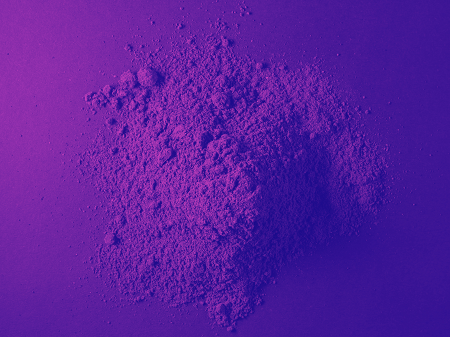
Astaxanthin is a naturally occurring xanthophyll carotenoid that has gained significant scientific attention due to its exceptional antioxidant activity, molecular stability and broad application potential in nutrition, health, cosmetics and animal feed.
It is naturally synthesized by certain aquatic organisms, with the microalga Haematococcus pluvialis being the most prominent biological source, capable of accumulating high intracellular concentrations of esterified astaxanthin.
Oxidative stress and antioxidants: biological background
Oxidative stress arises from an imbalance between the production of reactive oxygen species (ROS) and the capacity of antioxidant defense systems to neutralize them. This process is closely linked to cellular aging and various pathological conditions.
Antioxidants act through multiple mechanisms, including:
Within this framework, astaxanthin exhibits a particularly efficient mode of action at the cell membrane level.
Antioxidant properties of astaxanthin
Astaxanthin’s unique polar–nonpolar molecular structure enables it to span the lipid bilayer of cell membranes. This configuration allows protection both at the membrane surface and within the hydrophobic core.
Comparative studies have shown that astaxanthin exhibits higher antioxidant potency than many other carotenoids and classical antioxidant vitamins, with strong efficacy in inhibiting ROS and preventing oxidative damage.
Scientific evidence and application areas
Astaxanthin has been investigated across several functional fields:
Microalgae-derived astaxanthin: biotechnological and sustainability value
Astaxanthin production from microalgae using controlled biotechnological processes offers clear advantages over synthetic alternatives, including:
At Neoalgae, we develop microalgae-based functional ingredients by combining biotechnology, process optimization and sustainability to meet industrial and regulatory demands.
Astaxanthin is a strong example of the potential of microalgal systems as platforms for high-value bioactive compound production.

La mejor actitud que podemos adoptar es la de trat...

The research team observed changes in head circumf...
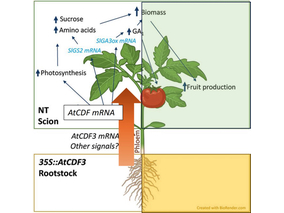
AtCDF3 gene induced greater production of sugars a...
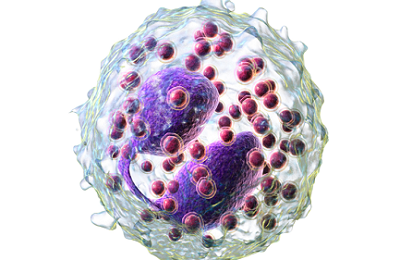
En nuestro post hablamos sobre este interesante tipo de célula del...

Telum Therapeutics, a biotechnology company leveraging proprietary met...