LAINCO S.A. has launched BacXyl, a new R&D (Research and Development) project funded by the CDTI (Centre for the Development of Technology and Innovation) and co-funded by the European Union. The project focuses on the use of bacteriophages as an innovative biocontrol tool against Xylella fastidiosa, one of the most harmful phytopathogenic bacteria affecting crops worldwide.
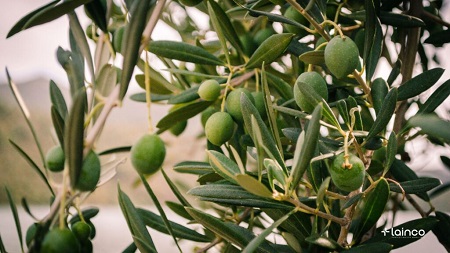
This bacterium poses a serious threat to high economic value crops such as olive trees, almond trees, and grapevines. Currently, there are no effective field treatments capable of curing infected plants, which makes it necessary to implement strict eradication and preventive measures.
In this context, BacXyl proposes a sustainable biotechnological alternative based on the use of bacteriophages capable of selectively targeting different subspecies of Xylella fastidiosa.
A biological solution aligned with sustainable crop production.
With an expected duration of 36 months, the project aims to develop a biological plant protection product that helps reduce the use of chemical plant protection products, in line with European sustainability policies, environmental protection objectives, and the transition towards a safer and more resilient agriculture, as outlined in strategies such as the European Green Deal.
Scientific, technological, and sectoral impact.
Among the main expected outcomes of BacXyl is the development of an innovative, safe, and adaptable solution, as well as the generation of high-value scientific knowledge for the sector. The project will also strengthen LAINCO’s positioning as a leading company in agricultural biotechnology based on bacteriophages.
BacXyl will lay the foundations for new research projects at both national and international levels and will expand the company’s portfolio of biological solutions, contributing to a more sustainable agriculture in the face of emerging diseases.
Future outlook.
Through this initiative, LAINCO reaffirms its commitment to innovation, sustainability, and crop protection by delivering new biological solutions to address current and future challenges in agriculture.
Project reference: IDI-20240642.

La mejor actitud que podemos adoptar es la de trat...

The research team observed changes in head circumf...
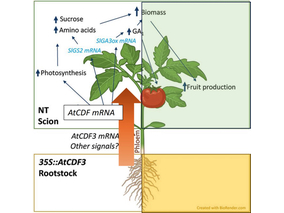
AtCDF3 gene induced greater production of sugars a...
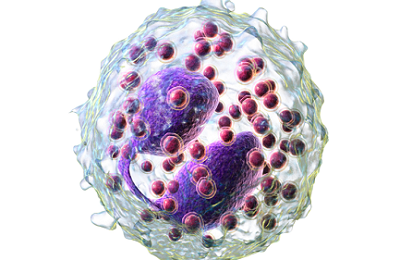
En nuestro post hablamos sobre este interesante tipo de célula del...

Telum Therapeutics, a biotechnology company leveraging proprietary met...