A research team led by scientists from the Pere Virgili Health Research Institute (IISPV), the Hospital del Mar Research Institute, and the Diabetes and Associated Metabolic Diseases area of the CIBER (CIBERDEM) has identified two compounds present in the blood - butyrate and isobutyrate - that could serve as early predictors of type 2 diabetes in seemingly healthy individuals. The study, published in the scientific journal BMC Medicine, is based on a longitudinal analysis of more than 2,400 participants from the national Di@bet.es project over a seven-year period.
These compounds are short-chain fatty acids (SCFAs) produced by the fermentation of dietary fiber in the gut. "This study provides new evidence on the association between SCFAs and the risk of developing type 2 diabetes", explains Dr. Joan Vendrell, clinical coordinator of the CIBERDEM research group at IISPV. "Interestingly, high levels of butyrate and isobutyrate at the beginning of the study were associated with an increased likelihood of developing type 2 diabetes, even after adjusting for classical risk factors such as obesity, high blood pressure, or family history", adds Dr. Gemma Llauradó, also a researcher in the study and associate in the Endocrinology and Nutrition Department at Hospital del Mar, and researcher at its affiliated institute.
 The impact of diet on gut microbiota
The study also included an analysis of participants' dietary patterns using a food frequency questionnaire. "It was observed that following a Mediterranean diet or consuming fiber-rich foods is associated with higher SCFA levels. However, these habits alone did not demonstrate sufficient predictive ability for the development of diabetes", explains researcher Sonia Fernández-Veledo, head of the CIBERDEM research group at IISPV.
The researchers emphasize that a fiber-rich diet remains essential to preserving the balance of gut microbiota, a key factor in metabolic regulation and the inflammatory response. In this regard, the study suggests that SCFAs may act as signaling molecules playing a crucial role in these physiological processes.
Towards more personalized prevention
This discovery opens the door to new, more efficient and personalized prevention strategies based on the analysis of individual metabolic and microbiota profiles. The authors of the study call for further research to better understand the interaction between these metabolites and the body, and how they might be integrated into clinical protocols for early detection of type 2 diabetes risk.
Reference article: Llauradó G, Cedó L, Climent E, Badia J, Rojo-Martínez G, Flores-Le Roux J, Yanes O, Vinaixa M, Granado-Casas M, Mauricio D, Fernández-Veledo S, Vendrell J. Circulating short-chain fatty acids and Mediterranean food patterns. A potential role for the prediction of type 2 diabetes risk: The Di@bet.es Study. BMC Med. 2025 Jun 6;23(1):337. doi: 10.1186/s12916-025-04186-9.

La mejor actitud que podemos adoptar es la de trat...

The research team observed changes in head circumf...
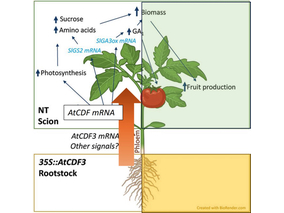
AtCDF3 gene induced greater production of sugars a...
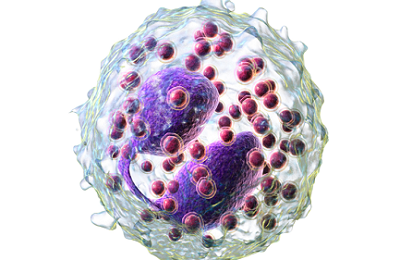
En nuestro post hablamos sobre este interesante tipo de célula del...

Telum Therapeutics, a biotechnology company leveraging proprietary met...