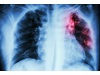
COPD patients who die had shown a blood pattern of about thirty proteins years earlier that distinguished them from other individuals with the disease. This makes them a strong predictor of long-term mortality. These proteins are related to the inflammatory and coagulation systems and allow predictions with over 90% accuracy, according to a pilot study led by the Hospital del Mar Research Institute, published in Cells. This is the first study to analyze the capacity to predict mortality in these patients through the analysis of proteins present in the blood. It is important to note that COPD is the third leading cause of death worldwide.
The study is a multicenter effort involving Hospital del Mar, Hospital Clínic de Barcelona, Parc Taulí Hospital in Sabadell, Hospital 12 de Octubre and Fundación Jiménez Díaz in Madrid, Hospital Virgen del Rocío in Seville, Clínica Universitaria de Navarra, and Son Espases Hospital in Palma de Mallorca. Blood samples from 34 patients were analyzed, 32% of whom died four years after the study began. All participating groups are members of the CIBER Respiratory Diseases Network (CIBERES).
AI-assisted model
he analyzed samples belonged to COPD patients in a stable condition. One-third of the patients were women, with an average age of 69 years. Their main comorbidities were cardiovascular diseases, sleep apnea, and diabetes. The causes of death four years later were respiratory and cardiovascular complications. Blood samples were analyzed, identifying up to 363 proteins and peptides, with only 31 showing significant variations. These were primarily related to the inflammatory-immune system and coagulation markers.
Using this data, various models were developed to predict the mortality of COPD patients. An AI-assisted program developed by the Biomedical Informatics Research Group (GRIB) at UPF and the Hospital del Mar Research Institute was used to build these models. The 31 differential proteins detected allowed a four-year mortality prediction with 90% accuracy. Additionally, a model using 10 proteins selected by AI achieved a higher precision of 95%. As explained by Dr. Joaquim Gea, Emeritus Chief of the Pulmonology Department at Hospital del Mar and researcher at its research center, "We have achieved a very high level of accuracy in predicting long-term mortality, which is further improved when using artificial intelligence."
In a more detailed analysis, when the model was built using only proteins related to coagulation, 95% accuracy was achieved. Using only inflammation-related proteins, 89% accuracy was reached. Dr. César Jessé Enríquez, the study's lead author, explains, "The study places greater focus on the cardiovascular risk of COPD patients and is in line with other studies we have conducted on other COPD patient profiles, such as frequent exacerbators and the biological profile of exacerbations."
Having these biomarkers is crucial for monitoring these patients and assessing their long-term mortality risk. Dr. Gea emphasizes that "the study allows us to have markers of poor prognosis, which help identify patients who appear to be in good condition but should receive more careful follow-up, considering not only their respiratory pathology but especially their cardiovascular health." It can also help to understand the biological mechanisms involved in the death of COPD patients.
The research continues with a new study involving a larger cohort of over 200 individuals, including both cases and controls.
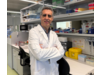
Image: From left to right Joaquim Gea, Cesar Jesse, Enrique Rodriguez, Carme Casadevall, Antonio Caguana, Sergi Pascual.
Reference article: Enríquez-Rodríguez CJ, Casadevall C, Faner R, Pascual-Guardia S, Castro-Acosta A, López-Campos JL, Peces-Barba G, Seijo L, Caguana-Vélez OA, Monsó E, Rodríguez-Chiaradia D, Barreiro E, Cosío BG, Agustí A, Gea J, On Behalf Of The Biomepoc Group. A Pilot Study on Proteomic Predictors of Mortality in Stable COPD. Cells. 2024 Aug 14;13(16):1351. doi: 10.3390/cells13161351. PMID: 39195241; PMCID: PMC11352814.

La mejor actitud que podemos adoptar es la de trat...

The research team observed changes in head circumf...
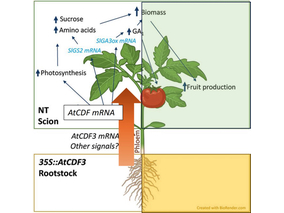
AtCDF3 gene induced greater production of sugars a...
En nuestro post hablamos sobre este interesante tipo de célula del...

Telum Therapeutics, a biotechnology company leveraging proprietary met...