Cardiovascular diseases (33,3%) and cancer (31,1%) are the main causes of mortality in Andalusian patients diagnosed with type 2 diabetes in primary care, according to a study led by researchers from the University of Granada. The research, published in the journal Postgraduate Medicine, followed nearly 300 patients for 49 months, finding that a low body mass index (BMI) increases the risk of death, while the use of certain common medications such as metformin can help reduce mortality. These findings confirm the need for a personalized approach to diabetes treatment.
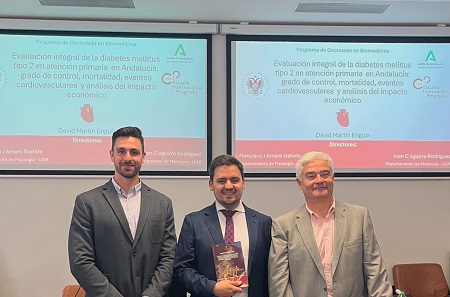
The study, led by the professor of the Department of Physiology at the University of Granada and researcher of the group MP20-Biomarkers of Metabolic and Bone Diseases from the ibs.GRANADA Francisco J. Amaro Gahete and the doctors from the Granada-Metropolitan Health District David Martín Enguix and Juan Carlos Aguirre Rodríguez, corroborates a trend observed internationally: cancer is equal to cardiovascular diseases as the main cause of death in people with type 2 diabetes. During follow-up, 15,4% of patients died, showing the seriousness of these complications.
The "obesity paradox
One of the most striking findings is the inverse relationship between BMI and mortality. Patients with lower weight had a higher risk of death, likely due to greater frailty, malnutrition, or undiagnosed illnesses.
This phenomenon, known as the "obesity paradox," underscores the importance of assessing not only weight but also body composition and the patient's overall health status.
On the other hand, the use of medications commonly prescribed to these patients, such as metformin, DPP4 inhibitors, SGLT2 inhibitors, statins, and angiotensin-converting enzyme inhibitors, was associated with lower mortality, highlighting their role in preventing serious complications.
A comprehensive approach beyond glycemic control
The study's authors emphasize the need for a personalized approach that goes beyond glycemic control: "We must prioritize factors such as kidney function, lipid profile, muscle mass, and treatment adherence." The work, which is part of a doctoral thesis in Biomedicine at the University of Granada (UGR), reaffirms the importance of using real-world clinical data to improve decision-making in primary care.
The results of this research not only provide important insights into the treatment of type 2 diabetes, but also highlight the urgent need to implement comprehensive strategies to combat its most lethal complications, as a multidisciplinary approach could significantly improve the quality of life and life expectancy of these patients.

La mejor actitud que podemos adoptar es la de trat...

The research team observed changes in head circumf...
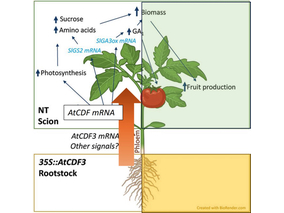
AtCDF3 gene induced greater production of sugars a...
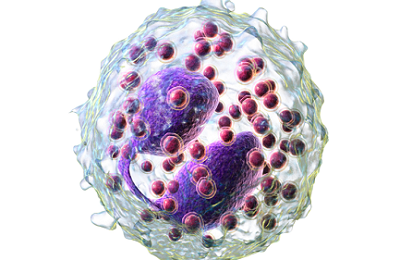
En nuestro post hablamos sobre este interesante tipo de célula del...

Telum Therapeutics, a biotechnology company leveraging proprietary met...