Researchers from Hospital Clínic Barcelona and IDIBAPS have participated in the development of the first European clinical guidelines dedicated exclusively to the management of transjugular intrahepatic portosystemic shunt (TIPS), a key technique for treating severe complications associated with portal hypertension.
Dr. Virginia Hernández-Gea, hepatologist at Clínic in the Hepatic Hemodynamics Unit and researcher in the Regulation of liver microcirculation in cirrhosis and hepatic vascular diseases group at IDIBAPS and CIBERehd, has been part of the international expert panel that developed this document, published by the European Association for the Study of the Liver (EASL) in the Journal of Hepatology.
What is TIPS and what is it used for?
TIPS is a minimally invasive technique that creates an artificial connection within the liver between the portal vein and the hepatic vein. This shunt reduces portal pressure and is mainly used to treat severe complications of cirrhosis, such as esophageal variceal bleeding and refractory ascites (persistent accumulation of fluid in the abdomen that does not respond to standard treatments). The procedure has become a fundamental therapeutic tool in managing complications associated with portal hypertension and represents a major advance in improving the quality of life and prognosis of people with advanced liver disease.
However, its application requires careful patient selection and optimized post-procedure management.
What do the new TIPS guidelines provide?
The publication of the EASL guidelines marks a turning point, as for the first time there is a reference document that sets out clear and updated criteria on when and how to indicate TIPS, what tests to perform before the intervention, contraindications, the technique itself, and subsequent follow-up. Until now, recommendations on TIPS were dispersed in other documents on portal hypertension or cirrhosis, lacking a comprehensive and consensus-based guideline.
The document places special emphasis on the following points:
Dr. Hernández-Gea points out that "these guidelines will provide clinicians with a valuable tool to make informed decisions about the use of TIPS, improving quality of life, reducing complications associated with portal hypertension, and increasing survival in patients with cirrhosis."
The guidelines will be integrated into the EASL mobile app, thus enabling healthcare professionals to quickly and easily access recommendations, figures, and tables, in line with current trends in healthcare digitalization.
Article reference: European Association for the Study of the Liver. EASL Clinical Practice Guidelines on TIPS. J Hepatol. 2025 Apr 1:S0168-8278(25)00066-2. doi: 10.1016/j.jhep.2025.01.029.

La mejor actitud que podemos adoptar es la de trat...

The research team observed changes in head circumf...
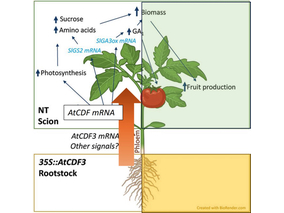
AtCDF3 gene induced greater production of sugars a...
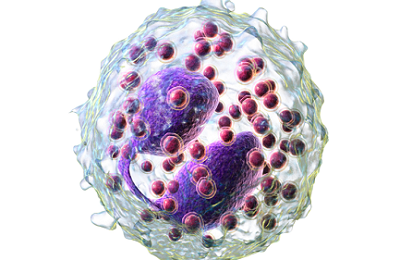
En nuestro post hablamos sobre este interesante tipo de célula del...

Telum Therapeutics, a biotechnology company leveraging proprietary met...