The University of Barcelona (UB), the Computer Vision Centre (CVC), the Universitat Autònoma de Barcelona (UAB) and the Open University of Catalonia (UOC), collaborate with the company Accepla to create an intelligent monitoring system aimed at caregivers of a person with dependence. The Bosch i Gimpera Foundation (FBG) with the other institutions has managed the protection of technology, and the negotiation of joint ownership agreement.
It is a technology based on computer vision and artificial intelligence to capture images of the dependent person though maintaining the anonymity visually analyze the situation and the position and, if perceive a risk, a device enabled system to immediately notify the carer through a mobile application.
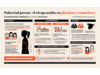
The system, called Respite Care, aims to improve the quality of life for carers support. According to the Statistical Institute of Catalonia and the last National Health Survey of Spain, in Catalonia there are 1,361,000 people over 65, the 46% of which have some form of dependency and need help with personal care, housework or mobility.
Recently, this project has been selected by the CaixaImpulse program, an initiative of "la Caixa" to promote the transformation of scientific knowledge in companies and products in the field of life sciences and health that create value in society. This award will help the company move forward, with prize of € 50,000.

La mejor actitud que podemos adoptar es la de trat...
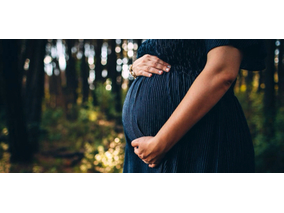
The research team observed changes in head circumf...
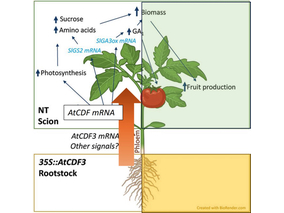
AtCDF3 gene induced greater production of sugars a...
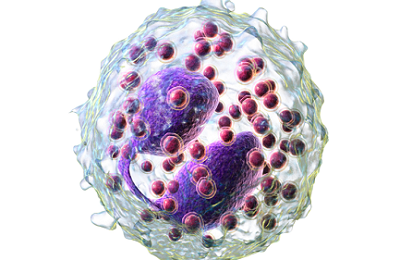
En nuestro post hablamos sobre este interesante tipo de célula del...

Telum Therapeutics, a biotechnology company leveraging proprietary met...