While cutaneous melanoma accounts for 1–2% of all skin cancers, it is responsible for the majority of skin cancer deaths due to its high propensity to metastasize. The GLOBOCAN 2022 cancer estimates indicate that melanoma ranks as the 17th most common cancer globally, with 331,647 new cases diagnosed and 58,645 deaths from this disease in the year 20221.
Approximately 15 –20% of patients present with advanced-stage or metastatic disease, and 30–40% of patients with early-stage melanoma will progress to metastatic disease, underscoring a current unmet need for more efficacious adjuvant regimens for completely resected melanoma.
Immunotherapy combination in patients with stage III-IV melanoma
The global phase II/III randomized RELATIVITY-047 study evaluated the immunotherapy combination of nivolumab and relatlimab compared to nivolumab monotherapy for patients with previously untreated metastatic or unresectable advanced melanoma. Findings from this study showed that nivolumab combined with relatlimab doubled progression-free survival (PFS) as compared to alone (10.1 versus 4.6 months), with a higher response rate and a manageable safety profile. Further analysis showed an improvement in overall survival (OS), which led to regulatory approval for advanced melanoma.
“Based on these positive results, we decided to evaluate if this immunotherapy combination could improve recurrence-free survival in patients with completely resected stage III-IV melanoma,” said Eva Muñoz-Couselo, Medical Oncologist at the Vall d’Hebron University Hospital, Head of VHIO’s Melanoma and Other Cutaneous Tumors Group, and a co-author of this present double blind, international phase III RELATIVITY-098 study, results of which were presented at the European Society for Medical Oncology Congress 2025, 17-21 October in Berlin, and published simultaneously in Nature Medicine2.
RELATIVITY-098 enrolled at total of 1,093 patients who were randomly assigned (1:1) to receive nivolumab plus relatlimab or nivolumab alone for a duration of up to one year. Data showed similar efficacy with both options, with no significant improvement in relapse-free survival.
Correlative data suggests that the absence of macroscopic disease after surgery and the lower levels of LAG-3-positive T cells may be a reason for the lack of benefit, since these cells are found at lower levels than in advanced disease where the combination is effective, as observed in RELATIVITY-047.
“These findings reinforce the importance of understanding the biological differences between previously untreated metastatic melanoma and resected disease when developing more effective immunotherapy-based strategies in the adjuvant setting,” concluded Muñoz-Couselo.
References

La mejor actitud que podemos adoptar es la de trat...

The research team observed changes in head circumf...
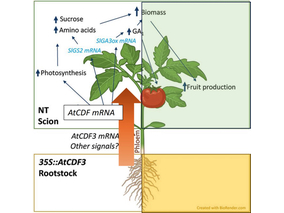
AtCDF3 gene induced greater production of sugars a...
En nuestro post hablamos sobre este interesante tipo de célula del...

Telum Therapeutics, a biotechnology company leveraging proprietary met...