
In the last decade, exosomes have gone from being considered mere “cellular waste” to becoming key players in clinical research.
Present in fluids such as blood, urine, and saliva, exosomes are extracellular vesicles that carry proteins, lipids, and genetic material reflecting the physiopathological state of the cell of origin. Thanks to this capability, exosomes are emerging as essential biomarkers in liquid biopsies, offering a minimally invasive and highly informative alternative for clinical diagnosis.
Exosomes are nanometric vesicles that act as mediators of intercellular communication. Their molecular content provides valuable information about processes such as inflammation, tumor progression, neurodegeneration, or immune response. This characteristic makes them dynamic biomarkers, capable of providing data for diagnosis, prognosis, and therapeutic monitoring, in line with the principles of personalized medicine.
Emerging clinical applications of exosomes
In oncology, exosomes derived from tumor cells contain specific molecular profiles that facilitate early cancer detection and the identification of tumor subtypes. In addition, they allow monitoring of treatment response and the emergence of therapeutic resistance.
In neurodegenerative and cardiovascular diseases, their analysis offers early indicators for conditions such as Alzheimer’s, Parkinson’s, or heart failure. Even in infectious diseases, exosomes can transport genetic material from the pathogen, participating in infection regulation and opening the door to new therapeutic strategies and vaccines.
Advantages over traditional methods
The use of exosomes as biomarkers provides significant benefits compared to conventional methods. Because they are found in multiple biological fluids, they allow information to be obtained through non-invasive procedures, improving patient experience and facilitating continuous monitoring. Furthermore, their molecular cargo reflects the cellular state in real time, increasing sensitivity and specificity in detecting physiopathological changes. This capability, combined with the integration of multi-omics data, drives patient stratification and therapy customization, consolidating progress toward personalized medicine.
Although exosomes show great potential for new treatments, it is also true that their clinical implementation faces important challenges. The lack of standardization in isolation and analysis methods hinders reproducibility across studies, while their nanometric size requires highly sensitive and costly technologies. Moreover, most exosomal biomarkers are still in the preclinical stage, which calls for robust studies and regulatory validation before their routine incorporation into clinical practice.
The good news is that, sooner or later, the development of high-throughput platforms and the integration of multi-omics analyses will accelerate the adoption of exosomes as biomarkers in clinical practice. At the same time, their potential as therapeutic vehicles for targeted drug and RNA delivery opens new opportunities in personalized medicine.
Their ability to provide precise, non-invasive, and dynamic information about a patient’s health status makes them strategic allies for research and medical practice. Although technical and regulatory challenges persist, everything points to their incorporation into routine clinical workflows becoming a reality in the coming years.

La mejor actitud que podemos adoptar es la de trat...

The research team observed changes in head circumf...
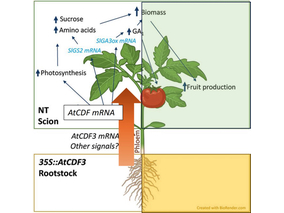
AtCDF3 gene induced greater production of sugars a...
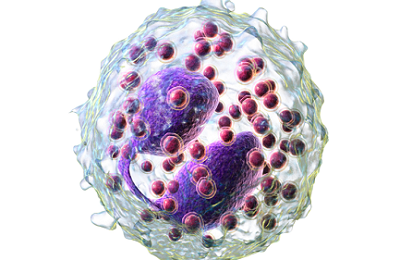
En nuestro post hablamos sobre este interesante tipo de célula del...

Telum Therapeutics, a biotechnology company leveraging proprietary met...