How a microscopic ingredient is transforming haute cuisine
Microalgae have moved from laboratories and sustainable innovation projects to becoming one of the most exciting ingredients in fine dining. Today, top chefs across the world use them to create dishes that are bold, aromatic and deeply connected to the ocean.
Among them, Ángel León, the Chef of the Sea, stands out as a true pioneer whose work has brought plankton and microalgae into the international culinary spotlight.
The culinary power of microalgae
Microalgae offer unique characteristics unmatched by any other ingredient:
These features explain why top restaurants are embracing microalgae as a creative and sustainable tool.
Ángel León: the pioneer who opened the door to the sea
The Spanish chef has not only incorporated microalgae into his cuisine; he has built an entirely new culinary language around them.
Marine plankton: a turning point
Thanks to Ángel León, marine plankton became legally recognized as an edible ingredient — a historic milestone.
It provides:
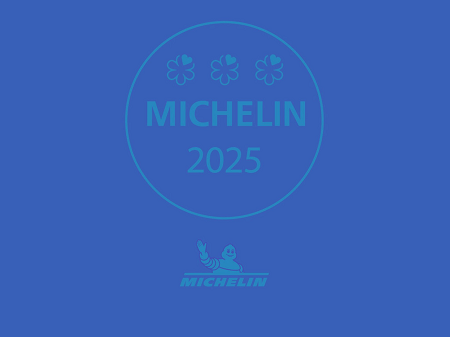
It remains one of the iconic elements of Aponiente, his three-Michelin-star restaurant.
Pigments and techniques inspired by the ocean
Using microalgae, León has developed:
His work has inspired chefs worldwide to explore microscopic life as a source of gastronomic creativity.
Microalgae: sustainability meets fine dining
Beyond creativity, microalgae are among the most sustainable food sources on Earth:
This positions them as a key ingredient for the future of gastronomy.
Neoalgae’s vision
At Neoalgae, we work to bring these ingredients to professional kitchens through:
We believe this culinary revolution is just beginning.
Conclusion
What began in the ocean and in the hands of visionaries like Ángel León is now shaping a global movement toward a more sustainable, creative and conscious cuisine.
Microalgae may be microscopic — but their impact on gastronomy is enormous.
By David Alonso

La mejor actitud que podemos adoptar es la de trat...

The research team observed changes in head circumf...
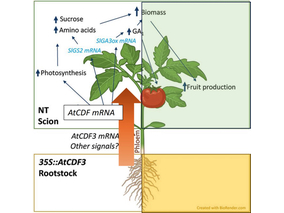
AtCDF3 gene induced greater production of sugars a...
En nuestro post hablamos sobre este interesante tipo de célula del...

Telum Therapeutics, a biotechnology company leveraging proprietary met...