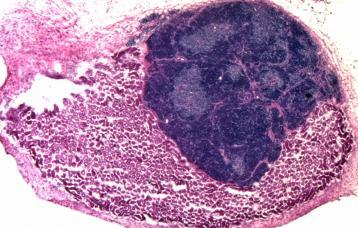
Scientists have for the first time grown a complex, fully functional organ from scratch in a living animal by transplanting cells that were originally created in a laboratory. The advance could in future aid the development of ‘lab-grown’ replacement organs.
Researchers from the MRC Centre for Regenerative Medicine, at the University of Edinburgh, took cells called fibroblasts from a mouse embryo and converted them directly into a completely unrelated type of cell - specialised thymus cells- using a technique called ‘reprogramming’. When mixed with other thymus cell types and transplanted into mice, these cells formed a replacement organ that had the same structure, complexity and function as a healthy native adult thymus. The reprogrammed cells were also capable of producing T cells - a type of white blood cell important for fighting infection - in the lab.


La mejor actitud que podemos adoptar es la de trat...

The research team observed changes in head circumf...
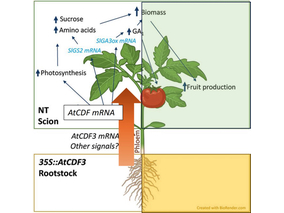
AtCDF3 gene induced greater production of sugars a...
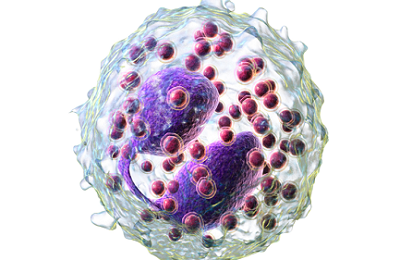
En nuestro post hablamos sobre este interesante tipo de célula del...
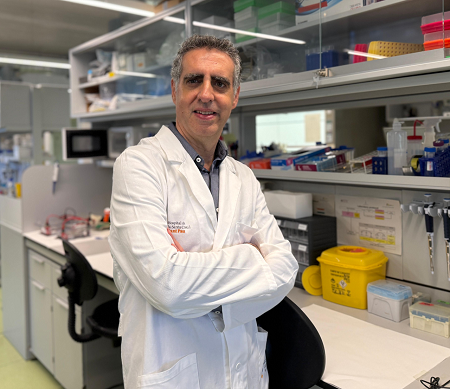
Acute myeloid leukemia (AML) does more than infiltrate the lungs: it a...