For the first time, new genetic risk factors for depression have been identified in the main populations of the world, allowing scientists to predict the risk of suffering from depression, regardless of ethnic origin. Researchers from the UGR have participated in this international study.
This is the largest and most diverse genetic study ever conducted on depression. The research has revealed nearly 300 previously unknown genetic links to the disease. According to the study, 100 of the newly discovered genetic variations - small differences in the DNA sequence that makes up a gene - were identified thanks to the inclusion of people of African, East Asian, Hispanic and South Asian descent.
Previous research into the genetics of depression has focused primarily on white populations of European descent. Therefore, therapies developed using genetic approaches may not be effective in other ethnicities, exacerbating existing health inequalities.
Each genetic variant has a very small effect on the overall risk of developing depression. If a person has multiple variants, these small effects can add up, increasing their risk.
Researchers from the Federico Olóriz Neurosciences Institute of the UGR and the Granada Biosanitary Research Institute (ibs Granada) Jorge Cervilla, Blanca Gutiérrez (Department of Psychiatry of the UGR), Margarita Rivera (Department of Biochemistry and Molecular Biology II of the UGR) and Esther Molina (Department of Nursing of the UGR) have participated in this scientific discovery.
The team of researchers has been able to more accurately predict a person's risk of depression by taking into account the newly identified variants. The scientists, led by the University of Edinburgh and King's College London, have analysed anonymous genetic data from more than five million people from 29 countries around the world. One in four individuals included in the study was of non-European descent.
The authors identified a total of 700 variations in the genetic code of individuals linked to the development of depression, almost half of which had never before been associated with this disease, and involved 308 specific genes.
The identified genetic variants are linked to neurons – a type of brain cell – in multiple brain regions, including areas that control emotions.
According to experts, the results offer a new perspective on the impact of depression on the brain and present possible new targets for its treatment. The team of researchers highlights the drugs pregabalin and modafinil - used to treat chronic pain and narcolepsy, respectively - which, according to the results of the study, could be repurposed for the treatment of depression.
However, the team cautions that further studies and clinical trials are needed to explore the potential of the drugs in patients with depression. This study, funded by the NIH, Wellcome and the Maudsley Biomedical Research Centre at the National Institute for Health and Care Research, has been published in the prestigious journal Cell.
The Psychiatric Genomics Consortium research team has included scientists from all continents, including studies from South Africa, Brazil, Mexico, the United States, Australia, Taiwan and China.
Professor Andrew McIntosh, co-leader of the study from the Centre for Clinical Brain Sciences at the University of Edinburgh, said: “There are huge gaps in our understanding of clinical depression which limit opportunities to improve outcomes for those affected. Larger, more globally representative studies are essential to gain the information needed to develop new and better therapies and prevent the condition in those most at risk.”
Professor Cathryn Lewis, co-leader of the study, from the Institute of Psychiatry, Psychology and Neuroscience at King's College London, said: "Depression is a highly prevalent disorder and we still have much to learn about its biological underpinnings. Our study identifies hundreds of additional genetic variants that play a role in depression. These findings show that depression is highly polygenic and open the way for translating these findings into improved care for people with depression."
Bibliographic reference: «Genome-wide study of half a million individuals with major depression identifies 697 independent associations, infers causal neuronal subtypes and biological targets for novel pharmacotherapies» was published in Cell. DOI: 10.1016/j.cell.2024.12.002

La mejor actitud que podemos adoptar es la de trat...

The research team observed changes in head circumf...
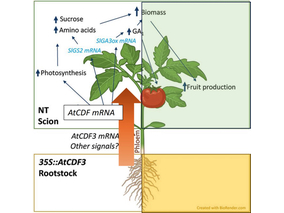
AtCDF3 gene induced greater production of sugars a...
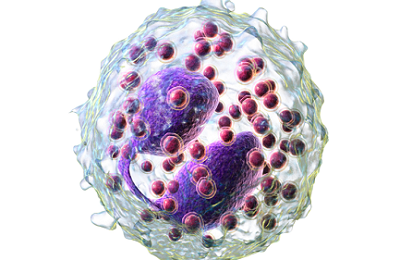
En nuestro post hablamos sobre este interesante tipo de célula del...

Telum Therapeutics, a biotechnology company leveraging proprietary met...