Many researchers investigate about the defense mechanisms of these plant structures against pathogens; however, their role against herbivores has received less attention. This review, conducted by the "Dissecting Plant-Defense-Growth Trade-offs" group from the CBGP, identifies promising new lines of research for developing strategies to strengthen crop resistance, with important implications for sustainable agriculture and food security.
On a constantly changing planet, an invisible struggle exists between plants, pathogens, and pests. The survival of plant species depends largely on their defense systems, while that of invading organisms depends on their ability to overcome them. As a key defense, plants feature the cell wall, a multifunctional structure that maintains cell shape, regulates cell growth, and acts as a crucial physical barrier between the plant and its environment. In response, pathogens and pests develop cell wall-degrading enzymes, capable of compromising cell wall integrity and facilitating invasion of plant tissues.
When a pest attacks, plants respond by remodeling their cell walls, modifying both their structure and composition to better resist damage. Crucially, the cell wall releases "danger signals" called damage-associated molecular patterns (DAMPs), which act as alarms that trigger a complex cascade of defense responses. These molecules not only alert the plant to danger but also coordinate its immune responses. However, unlike with pathogen infections, the role of the cell wall as a sensor and defense inducer against pest infestations is much less well understood, especially in the context of phytophagous insects and mites.
A dynamic and responsive shield
Led by Dr. Estrella Santamaría, the "Dissecting Plant-Defense-Growth Trade-offs" group at CBGP has revealed the important role of the plant cell wall in pest defense. The review, published in the Journal of Experimental Botany, demonstrates that the cell wall is much more than a physical barrier: it is a dynamic and responsive shield. The work explores the genetic basis of this cell wall plasticity, detailing how specific genes regulate changes in the plant cell wall and contribute to pest resistance. Understanding these mechanisms opens the door to developing pest management strategies based on plant cell wall compounds.
Thus, this review lays the groundwork for promising new lines of research that could generate innovative strategies for pest management. By deepening our understanding of cell wall-mediated defense, future strategies could reduce dependence on chemical pesticides, promoting more sustainable and environmentally friendly agriculture, which represents an important step toward safeguarding crop yields and food security worldwide.
Original Paper: Perez-Alonso, M.M., Talavera-Mateo, L., Ojeda-Martinez, D., Barcenilla-Valcárcel, L., Montesinos, Á., Garcia, A., Frey, C., Boter, M., Martinez, M., Diaz, I., Santamaria, M.E. 2025. The role of plant cell walls in pest resistance: current insights and future perspectives. Journal of Experimental Botany eraf306. DOI: 10.1093/jxb/eraf306

La mejor actitud que podemos adoptar es la de trat...

The research team observed changes in head circumf...
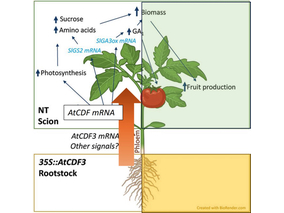
AtCDF3 gene induced greater production of sugars a...
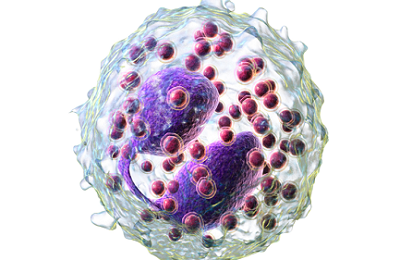
En nuestro post hablamos sobre este interesante tipo de célula del...

Telum Therapeutics, a biotechnology company leveraging proprietary met...