
A large multicentre study conducted in the province of Barcelona has led to the creation of one of the most comprehensive clinical registries of progressive supranuclear palsy (PSP) to date, allowing researchers to analyse 131 cases of this rare neurodegenerative disorder. Despite its low prevalence, this cohort represents the largest PSP study carried out in Spain so far. The study analyses this cohort of 131 people with suspected PSP from various hospitals in the province of Barcelona, who were centrally assessed at the Hospital Clínic. A comparison group of healthy participants and patients with Parkinson’s disease was also included.
The study combines advanced eye-movement analysis with the study of cerebrospinal fluid biomarkers to improve early diagnostic accuracy in PSP, a disease that is particularly difficult to identify in its initial stages. The findings have been published in Movement Disorders, a leading international journal in the field of Parkinson’s disease and movement disorders.
Biomarkers that anticipate diagnosis before clear clinical signs
One of the most relevant outcomes of the study is the identification of biomarkers capable of reliably distinguishing PSP from other neurological conditions with overlapping symptoms, even at very early stages when diagnosis is highly uncertain.
The results show that quantitative analysis of eye movements, particularly saccadic movement speed and amplitude, together with elevated neurofilament levels and normal or only mildly altered alpha-synuclein levels in cerebrospinal fluid, can anticipate a diagnosis of PSP well before conventional neurological examination provides sufficient certainty.
According to Yaroslau Compta, member of the Institute of Neurosciences of the University of Barcelona (UBneuro) and the study’s lead investigator, these biomarkers could facilitate the inclusion of patients in clinical trials at earlier stages of the disease, when neurodegeneration is less advanced and therapeutic interventions are more likely to be effective.
A similar molecular signature with Parkinson’s disease
The study also provides new insights into the presence of co-pathologies. Using a pioneering assay capable of detecting alpha-synuclein aggregates in cerebrospinal fluid, a protein associated with Parkinson’s disease, the researchers found that around 20% of PSP patients also exhibit this molecular signature, albeit at lower intensity. This factor should be taken into account when designing, stratifying and interpreting future clinical trials.
Prognostic markers to improve patient care
In addition to its diagnostic implications, the research confirms that clinical manifestations presented by patients or neurofilament levels in the cerebrospinal fluid are valuable predictors of patient survival. Reliable prognostic tools are essential for improving clinical follow-up and providing clearer guidance to patients and their families, explains Cèlia Painous, co-investigator of the study.
Image: From left to right, Ana Cámara, Manel Fernández, Jésica Pérez, Yaroslau Compta, Cèlia Painous i Salut Albà.

La mejor actitud que podemos adoptar es la de trat...

The research team observed changes in head circumf...
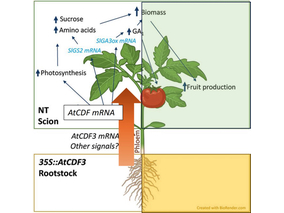
AtCDF3 gene induced greater production of sugars a...

En nuestro post hablamos sobre este interesante tipo de célula del...

Telum Therapeutics, a biotechnology company leveraging proprietary met...