Polymeric excipients are key to advanced drug‑delivery systems, as their structure and impurity profile directly affect safety, stability, and in vivo performance. With rising regulatory expectations, precisely defining polymer identity and purity is essential to ensure consistency, scalability, and long‑term reliability.
At Curapath we provide an extensive suite of analytical capabilities, including:
Polymer Identity
Curapath performs a multidimensional assessment of polymer identity, covering:
The key analytical techniques employed at Curapath to accurately define polymer identity include:
·Quantitative NMR: for compositional and end‑group analysis.
A precisely defined polymer structure and a well‑controlled impurity profile form the foundation for robust CMC strategies, reduced variability during scale‑up, and improved long‑term product performance.
Process‑Related Impurities & Critical Quality Parameters
In therapeutic polymer systems, especially injectables, long‑acting formulations, and nanoparticle platforms, process‑related impurities and key physicochemical attributes critically shape safety, stability, and regulatory compliance. Controlling these parameters is fundamental to any risk‑based analytical strategy.
At Curapath we offer a comprehensive set of analytical capabilities that includes:
By controlling these critical parameters, we reinforce the reliability of polymeric excipients in advanced drug‑delivery systems, ensuring batch consistency, regulatory alignment, and long‑term product stability.
Molecular Weight Distribution (MWD)
MWD describes the relative abundance of polymer chains across different molecular weights and is a fundamental determinant of polymer behavior. Two materials may share the same Mw yet perform very differently if their distributions diverge. MWD influences:
At Curapath we deliver an integrated suite of MWD analytical capabilities, including:
Understanding and controlling MWD is essential for consistent performance in advanced drug‑delivery systems.
GPC/SEC: The Foundational Technique
Size Exclusion Chromatography (SEC), also known as Gel Permeation Chromatography (GPC), remains the cornerstone of polymer molecular weight analysis.
At Curapath we support SEC/GPC analysis through a robust set of capabilities, including:Determination of Mn, Mw, Mz
However, conventional SEC relies on calibration standards, meaning results are relative, not absolute, a limitation for regulatory‑sensitive or structurally complex excipients. Absolute characterization requires a more advanced approach.
SEC–MALS: Absolute Molecular Weight Determination
SEC–MALS (Size Exclusion Chromatography coupled with Multi Angle Light Scattering) enables absolute molecular weight determination without relying on calibration standards, making it essential for complex, biodegradable, or functionalized polymers used in therapeutic systems.
At Curapath, we provide advanced SEC–MALS capabilities, including:
·Absolute molecular weight determination
To ensure accurate, high‑resolution molecular weight and size analysis even for challenging polymer systems, Curapath integrates advanced SEC–MALS configurations that incorporate:
This combined approach ensures robust absolute molecular weight determination and reliable characterization across a broad range of therapeutic polymer systems.
End‑Group Analysis & Functionalization Degree
End‑group fidelity is essential because it directly affects polymer reactivity, conjugation efficiency, and self‑assembly behavior.
At Curapath we support this with targeted analytical workflows that quantify:
Functionalization is a critical quality attribute. In advanced delivery systems, it must be verified to ensure:
Incomplete or inconsistent functionalization can shift nanoparticle behavior, reduce targeting efficiency, and create variability in drug loading. As polymer architectures grow more complex, deeper end‑group analysis becomes essential for defining CQAs, ensuring comparability, and supporting risk‑based CMC strategies.
At Curapath, we combine established platforms, innovative materials, and GMP capabilities to deliver deep polymer characterization—from identity and purity to MWD, SEC–MALS, and functionalization—serving as a strategic partner that accelerates development from research to clinic.
By Curapath.

La mejor actitud que podemos adoptar es la de trat...

The research team observed changes in head circumf...
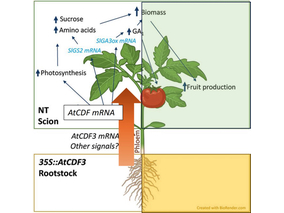
AtCDF3 gene induced greater production of sugars a...
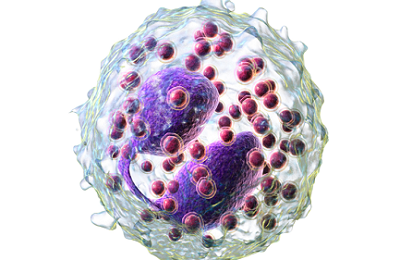
En nuestro post hablamos sobre este interesante tipo de célula del...

Telum Therapeutics, a biotechnology company leveraging proprietary met...