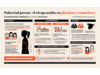
In the day-to-day conduct of clinical trials, one of the factors that most strongly affects patient recruitment and retention is not the scientific design of the protocol, but rather the indirect financial burden associated with participating in the study. Travel, time required for study visits, or loss of income must be managed efficiently and appropriately so as not to hinder the smooth progress of the trial.
In the Spanish and European context, this challenge is addressed by ensuring that participation in a study does not result in any cost or financial loss for the patient, while avoiding the use of financial incentives that could influence their decision. For this reason, regulations allow for the reimbursement of expenses and compensation for economic losses directly related to participation, always under the supervision of Ethics Committees and with safeguards in place to prevent any undue influence.
This regulatory balance directly shapes how sponsors and CROs design and implement their recruitment and retention strategies, particularly in complex, multicentre, or long‑term studies.
European and Spanish regulatory framework: clear limits and operational flexibility
Regulation (EU) 536/2014 establishes that no undue influence, including economic influence, should be exerted on participants in a clinical trial. The regulation explicitly allows for the coverage of expenses and economic losses directly arising from participation, such as travel, accommodation, meals, or loss of income, provided that these items are duly justified and documented.
In Spain, Royal Decree 1090/2015 further specifies this framework and assigns to the Research Ethics Committees with medicines (CEIm) the responsibility for evaluating and approving all economic aspects related to patients. Any reimbursement or compensation must be included in the study’s financial documentation and must be consistent with the actual burden that the protocol places on the participant.
This model explains why, in Spanish clinical practice, direct compensation to patients as remuneration is exceptional and, in most cases, limited to studies involving healthy volunteers. In therapeutic trials, the focus is on neutralising the economic impact of participation rather than generating a financial benefit.
Expense reimbursement as a facilitator of recruitment
From an operational perspective, expense reimbursement is one of the most effective – yet often underestimated – levers for improving recruitment. When patients perceive uncertainty regarding who will cover the costs of travel, accommodation, or meals, the likelihood of agreeing to participate in a trial decreases, particularly in studies requiring multiple on‑site visits.
Experience across hospital centres shows that a lack of clarity or delays in reimbursements translate into slower enrolment and higher refusal rates following the initial information visit. Conversely, when the reimbursement system is clearly defined, approved by the CEIm, and well integrated into the study’s operational framework, one of the main practical barriers to participation is removed.
For sponsors and CROs, this has a direct impact on timelines and costs. More efficient recruitment reduces the need to extend study timelines or open additional sites, with a corresponding positive effect on the overall trial budget.
Compensation for loss of productivity and its impact on retention
One of the factors that most strongly influences trial discontinuation is the difficulty patients face in reconciling participation with their working lives. In many studies, visits require repeated absences from work, reduced working hours, or loss of income, particularly in long‑term trias.
European and Spanish regulations allow for compensation for this loss of productivity, provided it is handled with caution and with the sole objective of preventing economic harm to the patient. This compensation must be proportionate, transparent, and clearly separated from the decision to participate in the study.
From a retention standpoint, the impact is significant. When patients feel that participation does not result in financial disadvantage, the likelihood of discontinuation for logistical or work‑related reasons decreases. This leads to more stable follow‑up, fewer missed visits, and higher data quality—factors that are critical to the scientific validity of the trial.
Complex trials and patient burden: a matter of execution
In therapeutic areas associated with a high patient burden—such as oncology, rare diseases, or studies involving invasive procedures—the management of economic aspects becomes even more relevant. While potential clinical benefit is a key consideration, the practical feasibility of complying with the protocol over time plays a decisive role in patient retention.
In these contexts, expense reimbursement and compensation for loss of productivity move beyond being administrative considerations and become critical components of the patient experience. However, regulations prevent sponsors from having direct contact with participants or access to their personal data, which necessitates the development of operational models that ensure confidentiality, traceability, and regulatory compliance.
CROs play a central role in this area, acting as operational intermediaries capable of managing these processes in a consistent manner, without placing additional burden on hospital sites and without creating perceptions of undue incentive.
Measuring the impact of reimbursement and compensation in the European context
Unlike in other markets, in Europe the economic impact is not assessed in terms of the “amount paid,” but rather in terms of its ability to remove barriers to participation. Metrics such as the acceptance rate following the initial visit, the proportion of patients who complete all scheduled visits, or the number of withdrawals due to logistical reasons allow for an objective evaluation of the effectiveness of these mechanisms.
When reimbursement processes are slow, incomplete, or unclear, these indicators tend to deteriorate. By contrast, studies that properly integrate these processes into their day‑to‑day operations typically demonstrate higher retention rates and fewer protocol deviations related to missed or out‑of‑window visits.
Frequently asked questions about reimbursement and compensation in clinical trials in Spain and Europe
Not in the form of a financial incentive. Regulations allow for the reimbursement of expenses and compensation for economic losses arising from participation, provided these are approved by a CEIm.
Travel, accommodation, meals, and other expenses directly related to the trial, as well as loss of income when duly justified.
Yes, provided its purpose is to prevent economic harm to the patient and not to act as an incentive to participate.
Research Ethics Committees with medicines (CEIm), in coordination with the AEMPS, review and approve all economic aspects of the study.
Yes. When it removes genuine economic barriers and is managed transparently, it improves the patient experience and supports continued participation in the study without exerting undue influence.

La mejor actitud que podemos adoptar es la de trat...

The research team observed changes in head circumf...

AtCDF3 gene induced greater production of sugars a...
En nuestro post hablamos sobre este interesante tipo de célula del...

Telum Therapeutics, a biotechnology company leveraging proprietary met...