Led by investigators of VHIO’s Radiomics Group, a review article published in ESMO Real-World Data and Digital Oncology—the European Society for Medical Oncology’s latest peer-reviewed open access journal—explores the potential of artificial intelligence (AI) to analyze real-world data (RWD) and radiology reports from routine clinical practice, extract relevant information, and enhance biomarker discovery for the development and validation of advanced diagnostic and prognostic tools. The authors also address the challenges associated with RWD and provide suggestions for minimizing these obstacles.
RWD radiology data, including diverse medical imaging modalities acquired across various clinical settings, represent a valuable source of information for computer-aided tools and biomarker discovery. These datasets mirror the complexities and variabilities of routine clinical practice, complement clinical trial data, and provide a more comprehensive understanding of patient characteristics, treatment patterns and responses. This is crucial for developing assays that are generalizable and applicable across different patient populations and clinical settings.
The integration of AI and RWD offers a significant potential for computer-aided tools and biomarker development, including automatic organ delineation, tumor detection, and personalized treatment decision making. However, despite the many advantages, the use of RWD also poses significant challenges such as data access, variability in quality, and processing complexities.
“As an example, the development of AI-assisted tools requires vast, diverse datasets representative of the populations in which they will be applied, but the scarcity of extensive multicentric databases remains a major limitation for their development and true applicability in clinical scenarios,” said Raquel Perez-Lopez, Head of VHIO’s Radiomics Group and corresponding author of the article.
“While the transformative potential of integrating AI into RWD generation in radiology is clear, addressing challenges such as data standardization and quality checks to an appropriate extent, validation, trustworthiness, and ease of use will be essential to translating the promise into clinical practice,” concluded Daniel Navarro, a PhD Student in Perez-Lopez’s lab and first author of the paper
Paper reference

La mejor actitud que podemos adoptar es la de trat...

The research team observed changes in head circumf...
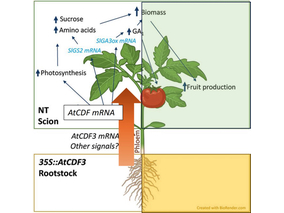
AtCDF3 gene induced greater production of sugars a...
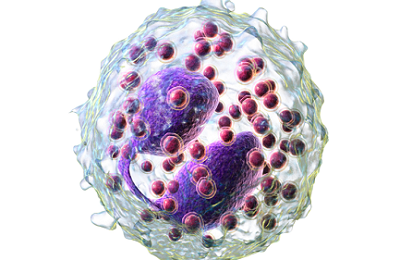
En nuestro post hablamos sobre este interesante tipo de célula del...

Telum Therapeutics, a biotechnology company leveraging proprietary met...