Nanotechnology introduces new opportunities in medical devices, including enhanced therapeutic delivery, improved implant functionality, and advanced diagnostic tools. However, alongside these advancements come significant regulatory considerations.
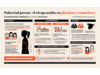
To help navigate this complex landscape, they have developed an infographic that outlines the essential elements of the EU Medical Device Regulation (MDR) 2017/745 as they apply to nanomaterials.
The infographic covers:
- Definition and Scope: Understanding what qualifies as a nanomaterial under EU law, and the importance of particle size, shape, and composition in regulatory classification.
- Risk Classification (Rule 19): A specific rule in the MDR addressing devices that incorporate nanomaterials, requiring a minimum classification of Class IIa and the involvement of a Notified Body.
- Standards and Regulatory Guidance: The role of ISO, ASTM, and other regulatory bodies in providing harmonized standards and guidance on safety and performance.
- Documentation Requirements: Key elements to be included in technical documentation, from risk assessment and testing protocols to labelling requirements.
Whether companies are developing a new product or updating an existing one, understanding the regulatory nuances for nanomaterials is essential for achieving compliance and ensuring patient safety.
At Asphalion, they are committed to guiding stakeholders through each step of the regulatory pathway.
To explore these topics in more detail, view their infographic here: Flyer Medical Device with Nanomaterials.
Contact them for more information or regulatory support: info@asphalion.com