A recent study led by researchers from the Granada Biosanitary Research Institute (ibs.GRANADA), the University of Groningen (Netherlands) and the University of Hong Kong (China), has discovered that drugs based on bismuth, a non-toxic heavy metal used in medical applications, when combined with antibiotics can eliminate multi-resistant infections such as those caused by the bacteria Pseudomonas aeruginosa, significantly improving available treatments. This combination boosts the effectiveness of current treatments and could offer new solutions to address the growing threat of resistant bacteria.
The MP13-Antiretroviral Resistance research group of the ibs.GRANADA led by Dr. Federico García, head of the Microbiology service at the San Cecilio University Clinical Hospital, has participated in this study, specifically Dr. Rubén Cebrián, in collaboration with other scientists from the Precision Medicine area of the MP16-Intestinal Immunomodulation group of the ibs.GRANADA. It has been shown that bismuth interferes with the iron metabolism of the bacteria. Pseudomonas aeruginosa, weakening their natural defenses and making it easier for antibiotics to penetrate and act more effectively.
The study focuses on Pseudomonas aeruginosa, a bacterium that is particularly dangerous for people with weakened immune systems, patients with chronic diseases and those hospitalized in intensive care units. It is a major cause of serious hospital infections, such as pneumonia, blood and urinary tract infections, affecting vulnerable patients, including those with cystic fibrosis or those who depend on artificial respirators. Pseudomonas aeruginosa It is characterized by its high resistance to multiple antibiotics, which makes its treatment extremely complicated. In addition, this bacteria forms “biofilms”, a kind of protective shield that hinders the action of drugs, and has systems that expel drugs from its cells, which reinforces its ability to resist conventional treatments.
The team of scientists, which includes researchers from the University of Granada, the CIBER of Infectious Diseases, the University of Nankai and the University Hospitals Clínico San Cecilio and Virgen de las Nieves of Granada, carried out experiments in animal models. Using mice infected with Pseudomonas aeruginosa, demonstrated that the combination of bismuth-based drugs with antibiotics increased the survival rate, without the bismuth salts presenting toxicity.
The study shows that bismuth acts on key systems of the bacteria, such as iron-dependent enzymes that capture iron from outside and systems that expel antibiotics, thereby weakening the bacteria's resistance to antibiotics. This approach not only improves the effectiveness of treatments, but also reduces the risk of bacteria developing long-term resistance.
This breakthrough could change the management of serious infections caused by Pseudomonas aeruginosa and other antibiotic-resistant pathogens. The project has been partially funded by the Miguel Servet program of the Carlos III Health Institute and has the participation of the company Omnicin Therapeutics, which seeks to bring this innovation to the clinic. It is expected that this new treatment will reduce mortality rates and improve the quality of life of patients affected by hospital infections caused by multi-resistant bacteria.
About the research groups
The groups MP16-Intestinal Immunomodulation y MP13-Resistance to Antiretrovirals They develop advanced strategies in key areas of Precision Medicine. The MP16 group focuses on the treatment of digestive and metabolic diseases, modulating the intestinal immune system through natural products, drugs and nutritional approaches, with research on functional foods and treatments for conditions such as metabolic syndrome or colorectal cancer. The MP13 group, on the other hand, investigates resistance to antiretrovirals and hepatitis, leading projects on HIV and hepatitis C resistance, and collaborating with international networks to improve therapies against viral infections and bacterial resistance, including studies on microbiota and probiotics.

La mejor actitud que podemos adoptar es la de trat...

The research team observed changes in head circumf...
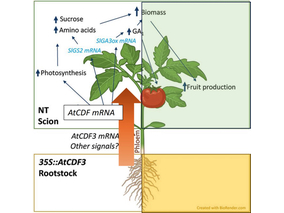
AtCDF3 gene induced greater production of sugars a...
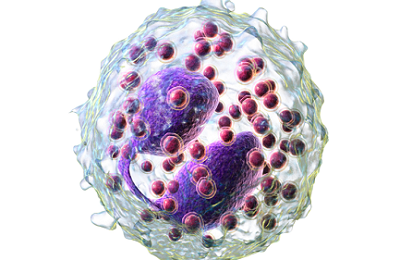
En nuestro post hablamos sobre este interesante tipo de célula del...

Telum Therapeutics, a biotechnology company leveraging proprietary met...