The European Society for Medical Oncology (ESMO) has published a new clinical practice guideline for the diagnosis, treatment, and follow-up of hepatocellular carcinoma (HCC), the main type of liver cancer.
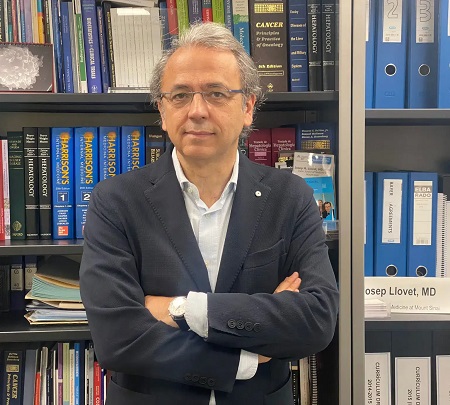
The document, which compiles the latest evidence to optimize patient care and harmonize clinical practice across Europe, was developed by an international panel of specialists with the participation of Dr. Josep M. Llovet, head of the Translational Research in Hepatic Oncology group at IDIBAPS, Professor of Medicine at the University of Barcelona, ICREA professor, and Professor of Medicine at the Icahn School of Medicine at Mount Sinai.
Hepatocellular carcinoma: a growing disease
Hepatocellular carcinoma accounts for 80-90% of liver cancer cases and is the third leading cause of cancer death worldwide. Its incidence is rising in Europe and North America, mainly due to the increase in cirrhosis related to viral hepatitis, alcohol consumption, and metabolic diseases. Early diagnosis is crucial, as survival improves significantly in the initial stages.
Main innovations in the ESMO 2025 guideline
The new guidelines, published in the journal Annals of Oncology, introduce new recommendations that reflect the latest scientific advances and the need to provide more personalized care for patients with liver cancer. These innovations cover the entire care process, from surveillance and diagnosis to treatment and follow-up, aiming to optimize clinical outcomes, improve early detection, and tailor therapeutic options to each patient’s individual characteristics.
The main updates included in the guideline are:
“These recommendations will improve the quality of care and life expectancy of patients with hepatocellular carcinoma,” says Josep M. Llovet.
Article reference:
Vogel A, Chan SL, Dawson LA, Kelley RK, Llovet JM, Meyer T, Ricke J, Rimassa L, Sapisochin G, Vilgrain V, Zucman-Rossi J, Ducreux M on behalfh of the ESMO Guidelines Committee. Hepatocellular carcinoma: ESMO Clinical Practice Guideline for diagnosis, treatment and follow-up. Ann Oncol. 2025 May;36(5):491-506. doi: 10.1016/j.annonc.2025.02.006.

La mejor actitud que podemos adoptar es la de trat...

The research team observed changes in head circumf...
AtCDF3 gene induced greater production of sugars a...
En nuestro post hablamos sobre este interesante tipo de célula del...

Telum Therapeutics, a biotechnology company leveraging proprietary met...