The phase 2, international, multicenter SUNNIFORECAST study, directed by Lothar Bergmann of the Medical Clinic II, University Hospital Frankfurt in Germany, is the first prospective randomized trial evaluating dual immunotherapy with ipilimumab plus nivolumab against standard-of-care (SOC) tyrosine kinase inhibitors (TKI) in patients with previously untreated advanced or metastatic non-clear cell renal cell cancer (nccRCC).
The findings from this study, published in Annals of Oncology* and co-authored by Cristina Suarez, a Medical Oncologist at the Vall d’Hebron University Hospital and Senior Investigator of VHIO’s Genitourinary (non-prostate), Central Nervous System Tumors (CNS), Sarcomas, and Tumors of Unknown Origin Group, show that the ipilimumab/nivolumab combination had a significantly improved overall survival (OS) rate at 12 months compared to SOC.
These data were recently presented by co-author Marit Ahrens of the University Hospital Frankfurt, Goethe University Frankfurt am Main, Frankfurt, Germany, at the 2025 American Society of Clinical Oncology, May 30 – June 3, in Chicago.
“Non-clear cell renal cell cancers constitute a heterogeneous group of more than 20 histologically and molecularly defined tumors. Owing to their relative rarity compared to clear cell renal cell carcinoma, they are scarcely included in large, randomized trials. As such, treatment options remain limited for these patients,” said Cristina Suarez.
The SUNNIFORECAST trial enrolled 309 patients with previously untreated advanced or metastatic nccRCC who were randomly assigned (1:1) to receive ipilimumab plus nivolumab or SOC (157 and 152 patients, respectively). Results showed a 12-month OS rate of 78% with the investigational combination compared to 68% with SOC. Progression-free survival (PFS) was similar in both treatment arms. The ipilimumab/nivolumab combination demonstrated an acceptable toxicity profile.
The investigators also evaluated the use of PD-L1 CPS (Combined Positive Score), a biomarker which measures the percentage of tumor cells and immune cells expressing PD-L1 relative to the total number of tumor cells, to select patients with a greater likelihood of responding to this dual immunotherapy.
Exploratory analysis showed a significant OS benefit in patients with a PD-L1 CPS score of 1 or higher, suggesting that this biomarker could help to tailor treatment with ipilimumab and nivolumab based on distinct molecular characteristics of each patient’s tumor.
“While our results support this immunotherapy combination as a potential new first-line treatment option for patients with advanced or metastatic nccRCC, further investigations are warranted. Due to the rarity of these tumors, international cooperations will also be essential in defining and developing optimal treatment strategies for this patient population,” concluded Suarez.
###
Reference
Bergmann L, Albiges L, Ahrens M, Gross-Goupil M, Boleti E, Gravis G, Fléchon A, Grimm MO, Bedke J, Barthélémy P, Castellano D, Mellado B, Ivanyi P, Rottey S, Flörcken A, Suarez C, Maroto P, Grünwald V, Oosting SF, Kopecky J, Zschäbitz S, Boegemann M, Buchler T, Niegisch G, Goebell PJ, Waddell T, Joly F, Priou F, Retz M, Siemer S, Zimmermann U, Deckbar D, Burkholder I, Hartmann A, Haanen JB; Interdisciplinary Renal Cell Carcinoma Working Group of the DKG (IAGN). Prospective randomized phase-II trial of ipilimumab/nivolumab versus standard of care in non-clear cell renal cell cancer – results of the SUNNIFORECAST trial. Ann Oncol. 2025 Jul;36(7):796-806. doi: 10.1016/j.annonc.2025.03.016. Epub 2025 Apr 1.

La mejor actitud que podemos adoptar es la de trat...

The research team observed changes in head circumf...
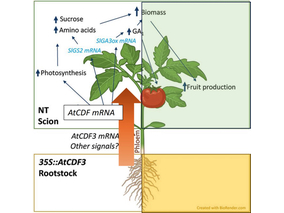
AtCDF3 gene induced greater production of sugars a...
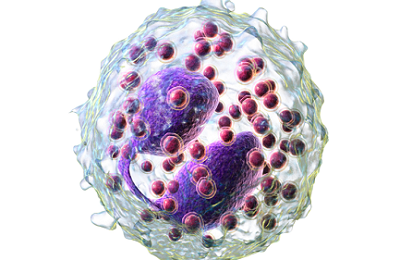
En nuestro post hablamos sobre este interesante tipo de célula del...

Telum Therapeutics, a biotechnology company leveraging proprietary met...