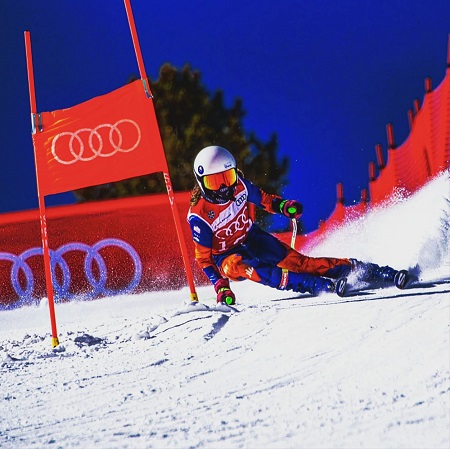
Female athletes who practice winter sports in Sierra Nevada are not meeting their energy and nutritional needs adequately, according to a recent study by the Biosanitary Research Institute of Granada (ibs.GRANADA) and the University of Granada. The research, developed in collaboration with the University of the Balearic Islands, Cetursa Sierra Nevada and the Andalusian Federation of Winter Sports, has identified key nutritional deficiencies that affect the health and performance of these athletes.
The study, published in the scientific journal Nutrients, analyzed the nutritional status of 58 winter athletes, classifying them according to their discipline and the altitude at which they train, and compared their energy, vitamin and mineral intake with nutritional recommendations.
The research team, made up of members of the ibs.GRANADA research group “A15-Basic and Clinical Oncology”, experts from the Department of Nutrition and Food Science at the University of Granada, the Community Nutrition and Oxidative Stress Research Group at the University of the Balearic Islands and researchers from Cetursa Sierra Nevada and the Andalusian Winter Sports Federation, found that none of the participants reached the energy level necessary to cover the total expenditure required by their intensive training, exposing them to the risk of low energy availability, which can have long-term consequences for their performance and health.
Research has found deficiencies in vitamins D and E, and minerals such as fluoride and iodine, essential for bone health and hormonal balance, in both categories (those who train at altitude, such as alpine skiers, and those at low altitude, such as ice hockey players).
“Athletes who train in extreme cold and altitude conditions face additional nutritional challenges, as they must not only maintain a balanced intake that meets their energy demands, but also adapt to the effects of the environment,” says Dr. Miguel Mariscal-Arcas, lead researcher of the study and member of ibs.GRANADA. The study highlights that energy needs increase at high altitudes due to the cold and lower partial pressure of oxygen, which can lead to a deficit of key nutrients, aggravated by the intensity of training.
This finding underscores the need to develop and implement personalized nutrition strategies for female winter sports athletes, including adequate intake of essential nutrients, not only to optimize performance but also to prevent long-term health problems.
The study was funded by the Ministry of Culture and Sport, the Spanish High Council for Sports (CSD) and the Carlos III Health Institute (ISCIII), and is part of the Spanish Network for Sports Care at Altitude (RED RADA). These results represent a significant step forward in improving the preparation of elite female athletes in winter sports and guaranteeing their well-being throughout their sporting careers, as well as improving the health of women who practice sports at altitude.
About the group
The Basic and Clinical Oncology research group at ibs.GRANADA, led by Nicolás Olea, is a multidisciplinary team made up of general practitioners, nurses, physiotherapists, biologists, chemists and environmentalists who join forces to study the environmental causes of common diseases and the diagnosis and treatment of tumour diseases. Participation in the CIBER of Epidemiology and Public Health (Area of Occupational and Environmental Epidemiology), the Childhood and Environment Network (INMA), the European Network for Biomonitoring of Environmental Exposure (HBM4EU and PARC), the Biobank Platform and collaboration in the MCC-Spain and EPIC-Spain studies provide guidance on the group's objectives in the field of environmental epidemiology.
The lines of research in which they work are radiological diagnosis, environmental epidemiology, risk factors in chronic diseases, personalized medicine, tumor radiobiology and oncological treatments.
More information about the group at https://www.ibsgranada.es/grupos-de-investigacion/a15-oncologia-basica-y-clinica/
Bibliographic reference:
Jiménez-Casquet MJ, Conde-Pipó J, Valenzuela-Barranco I, Rienda-Contreras R, Olea-Serrano F, Bouzas C, Tur JA, Mariscal-Arcas M. Nutrition Status of Female Winter Sports Athletes. Nutrients. 2023 Oct 22;15(20):4472. doi:10.3390/nu15204472. PMID: 37892548; PMCID: PMC10609974.
Journal Rank: JCR – Q1 (Nutrition and Dietetics) / CiteScore – Q1 (Food Science)
Impact Factor: 4.8 (2023); 5-Year Impact Factor: 5.8 (2023)

La mejor actitud que podemos adoptar es la de trat...

The research team observed changes in head circumf...
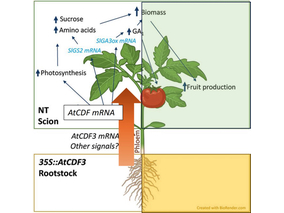
AtCDF3 gene induced greater production of sugars a...
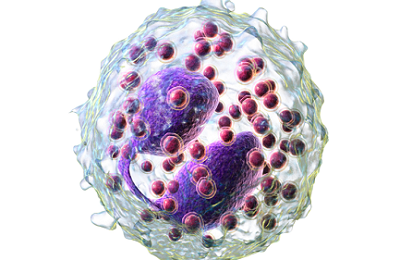
En nuestro post hablamos sobre este interesante tipo de célula del...

Telum Therapeutics, a biotechnology company leveraging proprietary met...