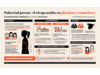
Patient recruitment is one of the greatest challenges in conducting clinical trials. Although Europe and the United States share international regulatory standards such as ICH-GCP, the strategies and dynamics for attracting participants differ significantly between the two markets. These differences impact timelines, costs, and the feasibility of studies, especially in areas such as advanced therapies and rare diseases.
In Europe, the regulatory framework is highly fragmented. Each country has its own competent authorities and independent ethics committees, which means multiple approvals are required before recruitment can begin. This process can take several months, affecting how quickly patients gain access to studies.
In contrast, in the United States, the FDA centralizes much of the process, allowing greater agility in authorizing and launching trials. Moreover, the culture of participation in clinical research is more deeply rooted: patients and physicians tend to be more familiar with the benefits of participating in studies, which facilitates recruitment.
Access to Databases and Healthcare Systems
In the U.S., the existence of large hospital networks and integrated health systems makes it easier to access electronic databases with detailed patient information. This enables faster and more accurate identification of potential candidates.
In Europe, the situation is more heterogeneous. While some countries have advanced electronic registries, others still rely on fragmented systems or even paper records. This lack of uniformity complicates early patient identification and requires greater investment in local strategies.
Linguistic and Cultural Diversity: A European Challenge
Europe presents significant linguistic and cultural diversity that influences communication with patients. Recruitment campaigns must be adapted to each language and sociocultural context, increasing complexity and costs.
In the U.S., although there is ethnic diversity, English is the predominant language, and campaigns can be standardized more easily. This reduces the need for multiple materials and translations, speeding up the process.
Recruitment Channels: Digitalization and Social Media
In both markets, digital strategies are gaining ground. However, in the U.S., the use of online platforms, social media, and targeted advertising is more established, thanks to greater acceptance by patients and regulators.
In Europe, although these tools are increasingly used, legal restrictions on data protection (such as GDPR) impose strict limits on segmentation and the use of personal information. This requires designing more cautious and less intrusive campaigns.
Incentives and Patient Perception
In the U.S., offering financial compensation for participation in trials is a common and socially accepted practice. This acts as an additional incentive for patients.
In Europe, compensation is usually limited to covering expenses related to participation (transportation, meals), as offering direct payments can raise ethical and regulatory concerns. This difference influences the speed and volume of recruitment.
The differences between Europe and the United States in patient recruitment are not only regulatory but also cultural and technological. For CROs operating in both markets, understanding these particularities is key to designing effective strategies and meeting study timelines. The trend points toward greater digitalization and collaboration among sites, but local adaptation will remain essential to ensure success.

La mejor actitud que podemos adoptar es la de trat...

The research team observed changes in head circumf...
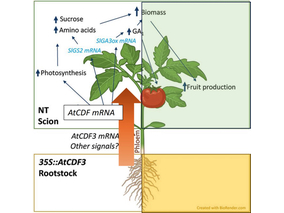
AtCDF3 gene induced greater production of sugars a...

En nuestro post hablamos sobre este interesante tipo de célula del...

Telum Therapeutics, a biotechnology company leveraging proprietary met...