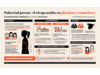
In clinical research, trust between patients, investigators, and sponsors is essential for the success of any trial. One of the aspects that most influences that trust is the management of payments to participants.
These payments are not incentives but fair compensation for the time, travel, and expenses incurred by their participation. Ensuring that payments are made transparently and on time is a challenge that CROs (Contract Research Organizations) take on with responsibility and rigor.
Proper management of these payments not only impacts patient satisfaction but also affects the ethical perception of the trial and regulatory compliance. A poorly managed process can generate distrust, affect retention, and, in extreme cases, compromise the validity of the study. For this reason, CROs that offer patient payment and reimbursement services play a strategic role in ensuring that everything is carried out with maximum transparency.
Why are payments to patients important?
Participating in a clinical trial requires significant effort from the patient: regular visits, diagnostic tests, travel, and, in many cases, changes to their daily routines. To prevent these costs from becoming a barrier, financial compensation is provided to cover expenses such as transportation, meals, or lost work time.
It is important to emphasize that this compensation should never be interpreted as an incentive to participate. In fact, in Spain, it is expressly prohibited to offer payments that could influence a patient’s decision. National regulations, aligned with European guidelines and international ethical principles, establish that payments must be limited to covering reasonable expenses and should never become a financial motivation to participate. This restriction ensures that the decision to join a clinical trial is free, informed, and based on medical criteria rather than financial considerations.
Common Challenges in Payment Management
Managing payments to patients in clinical trials is a task that requires maximum attention from sponsors. First and foremost, regulatory compliance is essential: CROs must ensure that the entire process adheres to current legislation, including personal data protection under GDPR and applicable financial regulations. Additionally, traceability and auditability are critical, as every payment must be perfectly recorded to allow reviews by regulatory authorities and ethics committees.
On top of this, patient experience plays a key role; any delay, error, or lack of clarity in compensation can generate distrust and negatively impact retention in the trial. These challenges highlight the need for standardized processes and technological tools that guarantee transparency, timeliness, and smooth communication among all parties involved.
How CROs ensure transparency and timeliness
CROs play a key role in efficiently managing these processes. Some of the most effective strategies include:
Best practices and Benefits
Transparency is not only an ethical obligation but also a competitive advantage. CROs that implement best practices in payment management achieve:
In a context where trust is the cornerstone of clinical research, managing payments to patients takes on strategic importance. CROs, such as Sermes CRO, not only guarantee transparency and timeliness but also help strengthen the relationship between patients and sponsors, ensuring that research progresses ethically and rigorously.
Investing in clear processes and secure technology is the best way to demonstrate commitment to quality and scientific integrity.
At Sermes CRO, they work to ensure that every trial is conducted with maximum efficiency and respect for participants. Want to learn how they can help you manage payments with transparency and timeliness? Contact them and discover our solutions.

La mejor actitud que podemos adoptar es la de trat...

The research team observed changes in head circumf...

AtCDF3 gene induced greater production of sugars a...

En nuestro post hablamos sobre este interesante tipo de célula del...

Telum Therapeutics, a biotechnology company leveraging proprietary met...