The CBGP´s research group “Host adaptation in fungal plant pathogens” explores how filamentous pathogens break through this protective barrier to invade plant tissues, how plants detect and respond to this damage by activating their immune system, and how pathogens, in turn, evolve strategies to evade these defenses.
In a recently published review, the researchers bring together the latest discoveries showing that the plant cell wall plays a central role in determining whether an infection succeeds or fails. Far from being a simple physical shield, the cell wall is a highly dynamic structure made mainly of polysaccharides and proteins that help protect plants from disease.
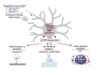
To infect a plant and gain access to its nutrients, many pathogens release specialized molecules called cell wall-modifying enzymes. These enzymes break down or alter specific components of the cell wall, allowing the pathogen to penetrate and spread within the host. However, this process also creates a weakness for the pathogen. As the cell wall is damaged, fragments are released that act as alarm signals, alerting the plant to the attack. Plants can detect these signals through specialized receptors, which trigger immune responses aimed at stopping the infection.
The review describes the key receptors and cell wall-derived oligosaccharides involved in this recognition process, as well as the additional defense mechanisms plants use to protect themselves. These include strengthening the cell wall and the recognition and inhibition of the pathogen's cell wall-modifying enzymes.
In response to these defenses, pathogens have evolved their own counterattack strategies. They can destroy, modify, or hide the cell wall fragments that would otherwise alert the plant to their presence. They also carefully control when and how much of their cell wall-modifying enzymes they produce, helping them avoid detection during the early stages of infection.
Overall, this work provides an updated view of the complex molecular dialogue between plants and pathogens, highlighting the active role of the cell wall in this evolutionary arms race. By improving our understanding of how plants and pathogens interact, these findings may help guide the development of sustainable strategies to enhance crop resistance and reduce losses caused by plant diseases.
Original Paper: Carrasco-López, C.✉, López-Cobos, S., Sánchez-Vallet, A.✉ 2026. Plant cell walls as a key driver of plant-pathogen co-evolution. FEMS Microbiology Reviews fuag023. DOI: 10.1093/femsre/fuag023

La mejor actitud que podemos adoptar es la de trat...

The research team observed changes in head circumf...
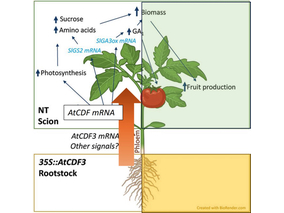
AtCDF3 gene induced greater production of sugars a...
En nuestro post hablamos sobre este interesante tipo de célula del...

Una revisión internacional, publicada en la revista Molecular Cancer,...