Over the past two decades, polymer-based drug delivery systems have evolved from experimental concepts to clinically validated technologies, playing a key role in the development of next-generation therapeutics.
At Curapath, with over 13 years of hands-on expertise, we support biotech and pharmaceutical companies with polymer and lipid-based solutions, from early development to GMP manufacturing. I
In this article, we explore how advanced polymer technologies are enabling breakthroughs in DNA and RNA delivery, targeted LNPs, polymer–drug conjugates, and medical devices, while overcoming key limitations of conventional approaches such as PEGylation and viral vectors.
Next-Generation Transfection Reagents for DNA Delivery and In Vivo CAR-T
Polymers are emerging as powerful alternatives to viral vectors for DNA delivery, enabling safer and more flexible approaches for DNA vaccines and in vivo CAR-T therapies.
At Curapath, we develop high-performance transfection reagents designed to address key challenges in nucleic acid delivery:
Our portfolio includes:
These systems provide a modular and tunable toolbox for in vivo nucleic acid delivery, enabling optimized performance depending on the therapeutic application.
PEG Alternatives: Overcoming the Limitations of PEGylation
While PEGylation has long been a standard strategy in drug delivery, it presents well-known limitations, including immunogenicity and accelerated blood clearance (ABC effect).
At Curapath, we develop next-generation PEG alternatives designed to improve safety and performance:
These materials are critical for advancing RNA therapeutics, biologics, and nanoparticle-based delivery systems.
Advanced Shielding Lipids for LNPs and Targeted RNA Delivery
Polymers play a central role in the design of lipid nanoparticles (LNPs) for:
At Curapath, we offer a broad portfolio of PEG-free shielding lipids and polymers, including:
These solutions enable stable, scalable, and clinically translatable LNP formulations, while reducing dependence on PEG.
Targeted LNPs Enabled by CliCr® Click Chemistry
For targeted lipid nanoparticles, Curapath goes beyond conventional formulations.
We develop PSar-based polymers with lipid anchors (C14, C16, C18) that enable precise control over nanoparticle surface properties.
Combined with our proprietary CliCr® click-chemistry platform, these systems allow:
This enables advanced strategies for:
Polymer-Based Solubilization Solutions for Biologics
Polymers also provide powerful solutions for improving the stability and solubility of biologics, including mAbs, proteins, and peptides.
At Curapath, we offer:
These technologies are suitable for topical and injectable formulations, supporting more stable and effective biologics.
Polymer–Drug Conjugates
Polymer–drug conjugates are powerful tools for improving the performance of both small molecules and biologics, particularly in:
Key advantages include:
Our platforms include:
These systems enable the development of more effective and safer therapeutic candidates.
From DNA delivery and RNA therapeutics to polymer–drug conjugates , polymers are redefining what is possible in modern medicine.
At Curapath, we combine:
to act as a true development partner, helping our clients accelerate the path from concept to clinic.
By Curapath.

La mejor actitud que podemos adoptar es la de trat...

The research team observed changes in head circumf...
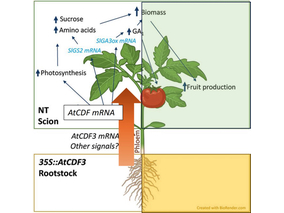
AtCDF3 gene induced greater production of sugars a...
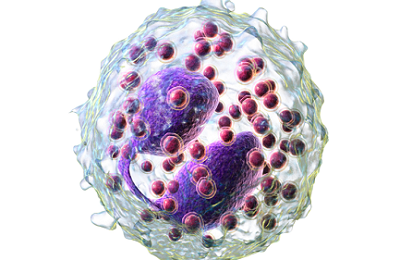
En nuestro post hablamos sobre este interesante tipo de célula del...
Telum Therapeutics, a biotechnology company leveraging proprietary met...