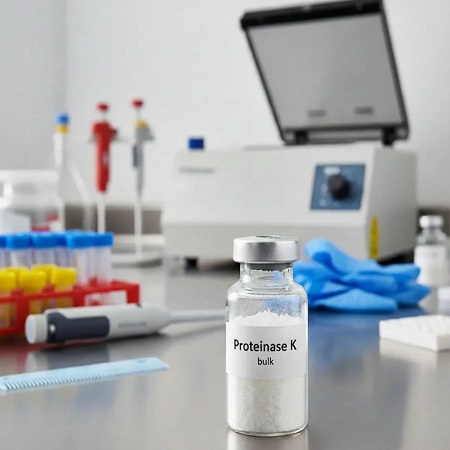
Proteinase K is a non-specific serine protease widely used in molecular biology. Laboratories rely on it for efficient protein digestion before nucleic acid purification and amplification.
Its biochemical stability and broad substrate specificity make it suitable for DNA and RNA extraction protocols across multiple sample types.
Biochemical Properties and Mechanism of Action
Proteinase K efficiently degrades both native and denatured proteins. It digests histones, membrane proteins, and nucleases that interfere with nucleic acid integrity. The enzyme maintains activity across a wide pH range, typically between pH 7.5 and 12.0. It also tolerates elevated temperatures.
Proteinase K remains active in the presence of SDS, urea, and chaotropic salts. This compatibility allows protein digestion to occur during cell lysis. As a result, workflows become simpler and nucleic acids remain protected from degradation.
Technical Characteristics of Canvax Proteinase K Powder
Canvax produces Proteinase K Powder to meet the requirements of routine and advanced molecular biology applications. The enzyme delivers high specific activity and consistent digestion performance. It performs reliably across different buffer systems and sample matrices.
The lyophilized powder format enables flexible reconstitution. Laboratories can adjust enzyme concentration to match protocol needs. This flexibility supports method development, optimization, and routine processing.
Role in DNA and RNA Extraction Protocols
Proteinase K plays a central role in DNA and RNA extraction workflows. It digests structural proteins and nucleoprotein complexes that bind nucleic acids. At the same time, it inactivates DNases and RNases.
Researchers use Proteinase K with tissues, cultured cells, blood samples, and microbial material. Its inclusion improves nucleic acid yield and purity. It also enhances compatibility with downstream enzymatic applications.
Use in PCR and End-Point PCR Sample Preparation
Protein contamination can inhibit PCR reactions and reduce reproducibility. Proteinase K treatment removes these contaminants during sample preparation. Clean templates improve amplification efficiency and assay consistency.
This step becomes especially valuable when laboratories work with crude lysates or minimally processed samples. In these cases, Proteinase K helps stabilize results across replicates.
Advantages of a Lyophilized Enzyme Format
The powder format provides several operational advantages. It supports long-term storage stability and reduces degradation risk. Laboratories gain full control over enzyme concentration and formulation.
After reconstitution, users can aliquot the enzyme according to workflow requirements. This approach improves consistency across experiments and minimizes freeze–thaw cycles.
Quality and Consistency Considerations
Canvax manufactures Proteinase K Powder in an ISO 13485:2016 and GMP-certified facility located in Boecillo, Valladolid (Spain). Production follows ISO 9001:2016 procedures to ensure controlled processes and consistent quality.
Quality systems ensure batch-to-batch consistency through defined manufacturing controls. Each lot undergoes QA review before release and includes a lot-specific Certificate of Analysis. Full material traceability, documented procedures, controlled training, and equipment monitoring support reproducible enzyme performance.
Conclusion
Proteinase K remains a core enzyme in nucleic acid preparation workflows that demand efficient protein digestion and reliable results. Canvax Proteinase K Powder combines controlled manufacturing, consistent enzymatic activity, and operational flexibility.
The product offers a strong balance between quality, performance, and price, which supports both routine laboratory use and high-throughput environments. Bulk formats are available, making it suitable for laboratories that require scalable supply without compromising reproducibility.

La mejor actitud que podemos adoptar es la de trat...

The research team observed changes in head circumf...
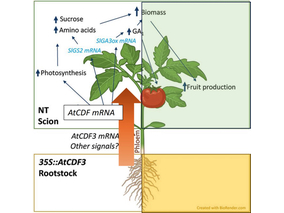
AtCDF3 gene induced greater production of sugars a...
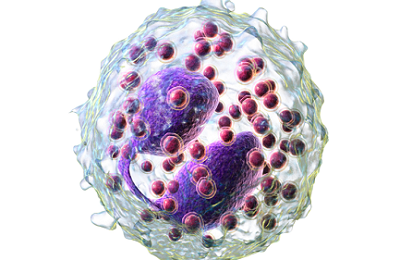
En nuestro post hablamos sobre este interesante tipo de célula del...

Telum Therapeutics, a biotechnology company leveraging proprietary met...