Published in The Lancet*, results of the international, open-label, superiority phase III COMPETE trial show that the radiotherapeutic [177Lu]Lu-edotreotide demonstrate statistically significant and clinically meaningful benefits compared to targeted molecular therapy in patients with metastatic neuroendocrine gastroenteropancreatic tumors (GEP-NETs).
Results of this study, directed by Jaume Capdevila, Medical Oncologist at the Vall d’Hebron University Hospital and Head of the Vall d’Hebron Institute of Oncology’s (VHIO) Hepatobiliary Pancreatic Cancer and Endocrine Tumors Group, support the potential use of [177Lu]Lu-edotreotide for the treatment of these patients.
Neuroendocrine Tumors (NETs) arise in neuroendocrine cells throughout the body. While these malignant, heterogenous neoplasms are typically considered slow-growing, some are associated with rapid progression and poor prognosis. As a result, many patients present with advanced disease at the time of diagnosis.
While NETs were historically viewed as relatively rare diseases, the incidence of these tumors has increased by more than 500% over the past three decades, underscoring an urgent, ongoing need for additional treatment options for newly diagnosed patients with advanced or inoperable tumors.
Among neuroendocrine cancers, the most prevalent originate in the gastroenteropancreatic tract (GEP-NETs), and constitute a group of complex, difficult to treat neoplasms with late diagnosis.
“Therapeutic options for patients with metastatic gastroenteropancreatic neuroendocrine tumors are limited,” said Jaume Capdevila, senior and corresponding author of the study. “
[177Lu]Lu-edotreotide works by targeting somatostatin receptors that are frequently overexpressed on the surface of neuroendocrine tumor cells. Part of the molecule specifically recognizes and latches onto these tumor cell receptors and administers the radiotherapy in a localized manner, minimizing damage to surrounding healthy cells.
The COMPETE trial included 309 patients with grade 1 or grade 2 inoperable, somatostatin receptor (SSTR)-positive GEP-NETS who were randomly assigned (2:1) to receive [177Lu]Lu-edotreotide or targeted therapy with everolimus.
Median progression-free survival (PFS) was 23.9 months for the [177Lu]Lu-edotreotide arm and 14.1 months for the everolimus arm.
“Radioligand therapy with [177Lu]Lu-edotreotide demonstrated statistically significant and clinically meaningful improvements in progression-free survival, without the routine use of accompanying somatostatin analogues, which could potentially reduce side effects and limit costs. Efficacy and safety data support its potential use in early lines of therapy in patients with advanced, progressive gastroenteropancreatic neuroendocrine tumors,” concluded Jaume Capdevila.
Reference
Walter T, Jann H, Ansquer C, Deshayes E, Garcia-Carbonero R, Teulé A, Baum RP, Verberne HJ, Ćwikła JB, Srirajaskanthan R, de Mestier L, Grana CM, Buck A, Hörsch D, Pavel M, Dierickx LO, Michael M, Strosberg J, Kollár A, Jimenez-Fonseca P, Rinke A, Del Olmo-García M, Flaus A, Hernando J, Kluge A, Breuninger M, Melnyk S, Zhernosekov K, Capdevila J; COMPETE Investigator Team. [177Lu]Lu-edotreotide versus everolimus for gastroenteropancreatic neuroendocrine tumours (COMPETE): a phase 3, multicentre, randomised, open-label, superiority trial. Lancet. 2026 Jul 2:S0140-6736(26)00604-5. doi: 10.1016/S0140-6736(26)00604-5. Epub ahead of print.

La mejor actitud que podemos adoptar es la de trat...

The research team observed changes in head circumf...
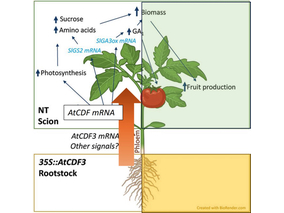
AtCDF3 gene induced greater production of sugars a...

En nuestro post hablamos sobre este interesante tipo de célula del...
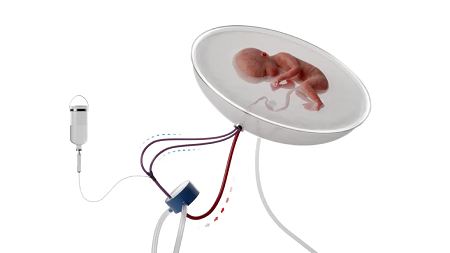
Postnatal survival of more than 13 months has also been achieved, with...