Platinum-cured pharmaceutical-grade silicone tubing is one of the most widely used materials in bioprocessing facilities. Its biocompatibility, flexibility, and wide temperature range make it ideal for applications ranging from transferring culture media to pumping harvested product. However, in the production of biopharmaceuticals—especially injectable biological products—the selection of silicone tubing requires a level of technical and documentary rigor that goes far beyond simply specifying the material.
Platinum Silicone vs. Peroxide Silicone: The Difference That Matters in Bioprocessing
The difference between peroxide-cured silicone and platinum-cured silicone is fundamental in bioprocessing. Both are chemically silicone (polydimethylsiloxane), but the vulcanization process determines their extractable profile and, therefore, their suitability for contact with biological products.
Peroxide-cured silicone:
• The curing agent (typically dicumyl or benzoyl peroxide) generates reaction byproducts that become trapped in the material
• These byproducts—aldehydes, ketones, acids—can migrate into the process fluid
• It requires a high-temperature post-curing process to reduce extractables, but never completely eliminates them.
• Higher and more variable extractable profile between batches
• Not suitable for the production of injectable biopharmaceuticals without a comprehensive E&L study
Platinum-cured silicone:
• The platinum catalyst facilitates the addition reaction without generating byproducts
• Minimum and reproducible extractables profile between batches
• Meets USP Class VI, FDA 21 CFR 177.2600 and Ph. Eur. 3.1.9 without restrictions
• Data on extractables available from manufacturers with experience in bioprocessing
• The reference point for the production of biopharmaceuticals, vaccines, and advanced therapies
In practice, specifying "pharmaceutical-grade silicone tubing" without adding "platinum-cured" can result in the supply of peroxide silicone that, while legally compliant with FDA 21 CFR, does not meet the actual requirements of the bioprocess.
Studies of Extractables and Leaches in Silicone Tubes
In the production of injectable biological products, extractables and leachables (E&L) studies are an explicit regulatory requirement. EMA and FDA guidelines state that all materials in contact with the product must undergo an E&L assessment process to demonstrate that compounds migrating from the material into the product do not pose a risk to patient safety.
For silicone tubing in bioprocessing, the E&L study includes:
Phase 1 — Extractables Study:
• Extraction of the material with representative solvents (water, alcoholic solution, hexane) under exaggerated conditions (high temperature, prolonged times)
• Identification and quantification of all extracted compounds by analytical techniques (GC-MS, LC-MS, ICP-MS)
• Toxicological evaluation of each identified compound using qualification (QT), identification (IT), and reporting (RT) thresholds defined in the PQRI and USP guidelines <1663>
Phase 2 — Leachate study (if applicable):
• Simulation of the actual contact between the tube and the process fluid under operating conditions
• Analysis of the fluid after the contact period to quantify the compounds that actually migrate
• Correlation between extractables and leachables to validate the relevance of the extractables study
Many manufacturers of silicone tubing for bioprocesses provide generic E&L studies for their products. However, for critical applications (injectable products, advanced therapies), it is advisable to conduct a specific E&L study with the actual process fluid.
Silicone Tubing in Bioprocess Peristaltic Pumps
Peristaltic pumps are ubiquitous in bioprocess facilities: transferring culture media, harvesting product, adding nutrients and controlling pH in bioreactors, and circulating fluids in tangential flow filtration (TFF) systems. In all these applications, the silicone tubing is the only element in contact with the biological product.
The technical requirements for peristaltic tubing in bioprocessing are more demanding than in other applications:
Dimensional tolerance: The flow rate of a peristaltic pump is directly proportional to the volume displaced by each compression of the impeller, which depends on the internal diameter and wall thickness of the tubing. Tighter tolerances on these dimensions result in greater reproducibility of the flow rate between batches of tubing. For GMP processes where flow rate is a critical process parameter (CPP), specifying the tubing grade with tight tolerances (often referred to as "metrological grade" or similar by manufacturers) is essential.
Shore A hardness: must be within the range specified by the pump manufacturer to ensure proper tube occlusion and pumping efficiency. Hardness outside this range may result in reduced flow or damage to the pump head.
Resilience and compression fatigue: the tube's lifespan is determined by its ability to recover its circular cross-section after each rotor compression. Bioprocess-grade platinum silicone tubes undergo fatigue testing that documents the number of cycles to failure, enabling data-driven preventive replacement intervals.
Specific pump manufacturer certification: Major manufacturers of peristaltic pumps for bioprocessing (Watson-Marlow, Verderflex, Masterflex) maintain lists of certified tubing for each pump head model. Using non-certified tubing voids the pump's performance warranties.
Qualification of Silicone Tubing in a GMP Bioprocess Facility
The qualification of a silicone tube for use in a GMP bioprocess facility follows a similar process to that of any other critical process component:
Documented Technical Specification (URS):
• Material: Platinum silicone, manufacturer-specific grade
• Certifications: FDA 21 CFR 177.2600, USP Class VI, Ph. Eur. 3.1.9
• Dimensions and tolerances: ID, OD, wall thickness
• Shore A hardness: range specified by the pump manufacturer
• E&L Data: Available manufacturer's study or specific study requirement
• Pump model compatibility
Documentation required per batch:
• Certificate of Analysis (CoA) with lot number
• FDA and USP Class VI Declarations of Conformity
• Extractables data (reference to the available E&L study)
• REACH Declaration
IQ Qualification:
• Verification that the installed pipe corresponds to the approved specification
• Recording of the batch number for traceability
Preventive replacement protocol:
• Definition of the maximum number of operating hours or cycles before replacement
• Record of the replacement with the batch number of the new tube
• Flow rate calibration after each pipe replacement
Storage and Traceability of Silicone Tubing in GMP Facilities
In GMP bioprocess facilities, even the storage of spare silicone tubing is subject to specific requirements:
Storage conditions:
• Temperature: controlled environment (15-25°C), away from heat sources
• Humidity: avoid very humid environments that may promote microbial growth on the outside of the tube
• UV light: Protect from direct exposure to sunlight or artificial UV light, which can degrade silicone over time
• Packaging: Keep in the original manufacturer's packaging until ready for use
• Expiration date: respect the expiry date of the batch (generally 5 years from manufacture for platinum silicone)
Traceability:
• Record the batch number of each installed tube
• File the corresponding CoA in the team dossier
• Record of installation date and replacement date
• In facilities with electronic maintenance management (CMMS), linking the tube batch number to the equipment maintenance record
Non-conformity management:
• If a defect is detected in the tube (out of tolerance, color change, visible contamination), handle as a non-conformity
• Segregate the tubes from the affected batch and assess the impact on the product batches in contact with them
Conclusion
Platinum-cured pharmaceutical silicone tubing is a critical component in any bioprocessing facility. Its correct specification—platinum grade, appropriate dimensional tolerances, available E&L data, and certification for the pump model—and its rigorous management within a GMP framework are the foundation of a reliable and compliant bioprocessing operation. If you require technical advice on selecting the right silicone tubing for your process or on gathering the necessary documentation for qualification, please contact our team.

La mejor actitud que podemos adoptar es la de trat...

The research team observed changes in head circumf...

AtCDF3 gene induced greater production of sugars a...
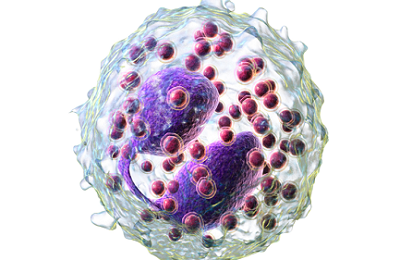
En nuestro post hablamos sobre este interesante tipo de célula del...
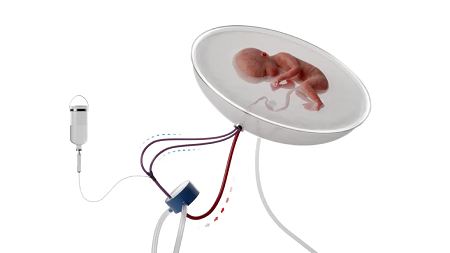
Postnatal survival of more than 13 months has also been achieved, with...