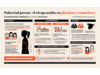
Making reimbursement of expenses or compensation for loss of productivity reach the patient in clinical trials can sometimes pose a major obstacle to the daytoday operations of hospital sites. At the same time, it is a critical factor for the continued participation of certain subjects.
The operational success of a clinical trial does not depend solely on study design, site availability, or technical execution. The patient experience, their perception of the study, and the absence of practical barriers to participation are now decisive factors for achieving planned enrollment and maintaining participants throughout the entire study. For this reason, managing expense reimbursement and compensation for loss of productivity has become a strategic component for sponsors seeking to ensure patient participation without creating administrative burdens for sites.
Patients incur costs arising from their participation (travel, meals, accommodation), as well as income loss when they must be absent from their work activity. If these aspects are not managed in an agile, transparent, and consistent manner, they can become significant barriers that directly affect recruitment and continued participation in the study.
Managing payments to patients in a clinical trial poses a challenge for both sponsors and sites. On the one hand, clinical regulation prevents sponsors from maintaining direct contact with participants or knowing their identities, which means they cannot make reimbursements or compensation payments directly. This requires the involvement of neutral operational intermediaries, such as CROs, capable of executing these processes with traceability, confidentiality, and full separation between financial management and the patient’s personal data. On the other hand, hospital sites need external systems that adapt to their operational reality, which is heterogeneous and complex.
For sponsors, this combination of legal constraints and operational variability creates the need for solutions that avoid ad hoc internal processes, reduce administrative burden, and maintain the confidentiality required by regulation. However, many platforms currently available on the market operate with rigid models and standardized workflows that do not align with the realworld functioning of hospitals, creating friction and delays. Each site requires a tailored adaptation of procedures, validation formats, and execution timelines; otherwise, reimbursement management becomes fragmented, deadlines are extended, and the experience of both the site’s clinical trial team and the patient is compromised.
The importance of simple solutions adapted to hospital workflows
Sponsors increasingly seek solutions that allow patient payments to be managed without overloading hospitals. The key is to implement systems that are:
These types of solutions not only simplify hospital operations but also improve the perception of the clinical trial and reduce the risk of dropouts.
Questions and answers for sponsors on patient reimbursement and compensation in clinical trials
Why is it necessary to offer reimbursements and compensation to patients?
Because their participation generates direct expenses and a potential economic impact on their productivity. Compensating for these aspects removes access barriers and supports equitable recruitment.
What advantages does a centralized payment management solution provide?
It reduces administrative burden and ensures traceability and regulatory compliance.
How does poor reimbursement management affect recruitment?
It causes delays, mistrust, and discontinuation due to patient frustration. A poor financial experience can be decisive in choosing not to continue.
What should an appropriate solution for hospital sites include?
It must be simple, fast, secure, compatible with site procedure, and enable clear communication with the patient.
Is compensation for loss of productivity mandatory?
It is not mandatory in all studies, but it is increasingly valued to ensure equity and attract participants who otherwise could not bear the cost of time away from work.
Why do sponsors seek specialized patient payment providers?
Because hospitals cannot efficiently assume this burden and sponsors need homogeneous, auditable processes aligned with regulatory and operational expectations.

La mejor actitud que podemos adoptar es la de trat...

The research team observed changes in head circumf...

AtCDF3 gene induced greater production of sugars a...

En nuestro post hablamos sobre este interesante tipo de célula del...

Telum Therapeutics, a biotechnology company leveraging proprietary met...