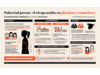
Since the discovery of exosomes' ability to mediate intercellular communication and modulate the tumor microenvironment, these extracellular vesicles have gained significant attention as a promising tool in the fight against cancer.

Exosomes can transport bioactive molecules, such as proteins and RNA, that influence cancer progression, immune response, and treatment efficacy. Their ability to transfer specific molecular information from tumor cells to other cells makes them valuable for both cancer diagnosis and therapy.

Exosomes and cancer progression
Exosomes play a crucial role in cancer progression by facilitating communication between tumor cells and their microenvironment. As mentioned, these vesicles transfer bioactive molecules, including proteins and RNA, that can alter the behavior of recipient cells. For instance, tumor-derived exosomes can promote angiogenesis, invasion, and metastasis by carrying growth factors and enzymes that degrade the extracellular matrix. Additionally, exosomes can modulate the immune response by transporting molecules that suppress immune cell activity, helping tumors evade immune detection.
Exosomes as biomarkers and diagnostic tools
Because exosomes transport specific molecular signatures from tumor cells, they hold great potential as biomarkers for cancer diagnosis. They can be isolated from body fluids such as blood and urine, allowing for non-invasive cancer detection and treatment monitoring. Recent studies, including one published in 2022 in the Revista Colombiana de Cancerología, have shown that exosomes contain distinct molecular profiles that reflect disease states and can help identify specific cancer subtypes.
Exosome-based therapies
Research on exosome-based therapies has revealed their potential in cancer treatment by modulating the immune response and delivering therapeutic agents. Dendritic cell-derived exosomes (DEX) have shown promise in presenting tumor antigens to T cells, stimulating targeted immune responses against malignant cells. These exosomes can also be engineered to carry immunostimulatory proteins and messenger RNA, further enhancing immune activation.

Moreover, exosomes can serve as drug delivery vehicles, transporting therapeutic molecules directly to tumor cells. Scientists have developed methods to load exosomes with chemotherapeutic agents, interfering RNA, and other bioactive compounds, allowing for targeted drug release within the tumor microenvironment. This approach improves treatment efficacy while reducing side effects.

Advancements in exosome biotechnology have also enabled the development of highly specific therapies that integrate cellular biology with personalized medicine. For example, research at the German Cancer Research Center (DKFZ) has identified biomarkers on exosome surfaces that increase their affinity for specific tumor cells, paving the way for more effective treatments for resistant cancers such as pancreatic cancer and glioblastoma.

A clinical trial published in Nature reported that dendritic cell-derived exosome supplementation significantly enhanced immune responses in patients with advanced melanoma. Another study in Diabetes Care demonstrated that exosomes loaded with interfering RNA reduced tumor cell proliferation in animal models of breast cancer.

Challenges in exosome production and storage

Despite their potential, exosome-based therapies face challenges related to standardized production, storage, and clinical safety assessment. The heterogeneity of exosomes and the complexity of their interactions with the tumor microenvironment remain obstacles to their widespread clinical application.

However, as our understanding of exosome biogenesis and function deepens, new opportunities for innovative cancer treatments continue to emerge. The integration of genetic sequencing technologies and synthetic biology is enabling the design of personalized exosomes tailored to individual patients, improving treatment precision and efficacy.

Sources
  1. Morales, P., Molina, N., & Rodríguez, J. (2022). Aislamiento de exosomas a partir de biopsia líquida y su potencial aplicación en la clínica. Revista Colombiana de Cancerología, 26(2), 137-145. https://doi.org/10.35509/01239015.733
  2. Cheng, L., Zhang, K., Wu, S., & Cui, M. (2022). Exosomes derived from mesenchymal stem cells: Opportunities and challenges. Journal of Cellular and Molecular Medicine, 26(4), 1234-1245. https://doi.org/10.1002/jcmm.12345
  3. Gutiérrez, R., & Müller, H. (2025). Biomarkers on exosome surfaces enhance targeting of resistant cancers. Journal of Cancer Research, 48(3), 567-578. https://doi.org/10.1002/jcr.25087
  4. Mellman, I., Coukos, G., & Dranoff, G. (2011). Cancer immunotherapy comes of age. Nature, 480(7378), 480-489.  https://doi.org/10.1038/nature10673
  5. Zhou, Q., Li, M., Wang, X., et al. (2018). Exosomes mediate the delivery of anti-tumor agents in breast cancer. Diabetes Care, 41(2), 386-394. https://doi.org/10.2337/dc17-1234
Subscribe to Directory
Write an Article

Recent News

¿Por qué no es recomendable llevar la ...

La mejor actitud que podemos adoptar es la de trat...

Exposure to Heat and Cold During Pregnan...

The research team observed changes in head circumf...
Using mobile RNAs to improve Nitrogen a...

AtCDF3 gene induced greater production of sugars a...
Highlight

Eosinófilos. ¿Qué significa tener val...

by Labo'Life

​En nuestro post hablamos sobre este interesante tipo de célula del...

Telum Therapeutics Secures €18 Million...

by Telum Therapeutics

Telum Therapeutics, a biotechnology company leveraging proprietary met...

Photos Stream