study by Pompeu Fabra University (UPF) presents a set of genetic tools that scientists can introduce into the most common bacteria of the skin to generate therapeutic compounds against various skin conditions in a safe, controlled way and with advantages over other possible solutions. As a proof of concept, they have successfully developed a strain that generates antioxidants and reduces oxidative stress in skin cells exposed to UV radiation. So far, it has been tested in cell cultures. The study was led by Dr. Marc Güell with Guillermo Nevot as co-lead author, both attached to the Department of Medicine and Life Sciences (MELIS) at Pompeu Fabra University, published in the scientific journal Cell Systems which belongs to the prestigious Cell Press group.
How is C. acnes domesticated? A set of genetic tools to make it controllable and safe
To control the behaviour of the bacterium and make it generate the necessary therapeutic compounds, scientists have introduced a set of genetic tools.
Humans have a small circular DNA molecule called a plasmid that includes several parts or sequences, each with its function. Among these parts, there is a gene to produce the desired therapeutic compound; another to modulate the amount of this compound according to external stimuli; another to select the strains that have integrated the plasmid, and another to eliminate resistance to antibiotics after passing the selection process.
The researchers introduced tools to eliminate C. acnes’ natural ability to generate some of the nutrients it needs. This ensures that it will not persist on the skin if we do not offer it these nutrients, for example, together with the cream with which we would apply it to the skin in the future.
In short, the set of genetic tools developed by UPF researchers renders these bacteria safe because they do not contain antibiotic-resistant genes, they cannot exchange them with other bacteria, nor can they generate on their own the nutrients necessary to survive.
Proof of concept: a bacterium capable of protecting our skin from sun damage
Some environmental factors, such as the sun’s UV rays or chronic inflammation, cause oxidative stress in our cells and alter their structure and physiology.
In this study, the researchers designed a strain of C. acnes to which they introduced a gene that made it capable of generating and secreting more or less antioxidants according to a more or less intense artificial stimulus in the laboratory. At the same time, they subjected a culture of keratinocytes, our skin’s most superficial cells, to UV radiation. By treating the culture with the antioxidants generated by C. acnes, the oxidative stress of the keratinocytes was significantly reduced. This reduction was correlated with the activity levels of the gene, so we would be able to adjust the antioxidant activity of the bacterium to our needs.
In the future, cosmetic and therapeutic creams could be manufactured with millions of C. acnes capable of generating more or less antioxidants in response to natural stimuli, such as the levels of oxidative stress to which the skin is subjected, and thus treat conditions such as atopic dermatitis, premature ageing, or cancer.
Why C. acnes?
C. acnes lives in the hair follicles, where it metabolizes the fat of our skin. It does so in very stable and long-lasting populations whose individuals are genetically almost identical, with few interactions with other species of bacteria and almost no gene exchanges.
The presence of strains II and III of C. acnes is related to healthy skin. Indeed, some skin diseases, such as atopic dermatitis, display a characteristic decrease in C. acnes in the skin. In addition, they can be easily transplanted from healthy donor skin to a recipient by means of topical applications to improve their condition.
Other species of genetically domesticated bacteria have already shown promising results in the treatment of metabolic diseases, infections or intestinal and lung cancer. Very few studies have been conducted on skin conditions. The most promising, tested in mice, contained Staphylococcus epidermidis to speed up wound healing or as vaccines against cancer and as mosquito repellents. However, S. epidermidis does not naturally inhabit our skin, its integration is low, populations change more frequently and are more likely to exchange genes with other bacteria.
Therefore, the characteristics of C. acnes, together with those of the set of genetic tools, make it safe and ideal for therapeutic use and cover an under-researched niche.
Reference: https://doi.org/10.1016/j.cels.2025.101169

La mejor actitud que podemos adoptar es la de trat...

The research team observed changes in head circumf...
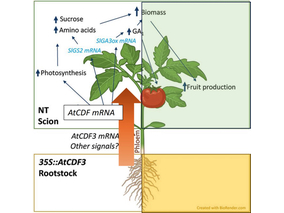
AtCDF3 gene induced greater production of sugars a...
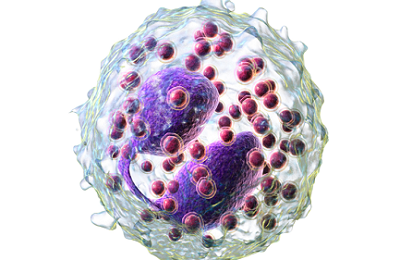
En nuestro post hablamos sobre este interesante tipo de célula del...

Telum Therapeutics, a biotechnology company leveraging proprietary met...