An international study led by María-Carlota Londoño, a member of the IDIBAPS research group Viral genetic and immune mediated liver diseases, has identified factors that predict which patients with autoimmune hepatitis and decompensated cirrhosis may benefit from immunosuppressive treatment. The findings, published in the journal Clinical Gastroenterology and Hepatology, have been used to develop an algorithm to guide therapeutic decision-making in these clinically complex cases.
Autoimmune hepatitis is a chronic liver disease that is often diagnosed late. More than 30% of patients have cirrhosis at the time of diagnosis. Furthermore, this cirrhosis has often reached a decompensated stage in a subgroup, with manifestations such as ascites or hepatic encephalopathy. In these cases, the decision to initiate immunosuppression is controversial due to possible adverse effects. However, there are few detailed studies of the effectiveness and safety of treatment in this clinical scenario.
The current study, which included 232 patients from 34 international centres, aimed to identify the clinical profiles most responsive to treatment, detect risk factors for complications, evaluate transplant-free survival windows and design a tool to aid in decision-making. The findings show that immunosuppressive treatment is beneficial in patients with hepatic inflammatory activity, especially if they do not have severe hepatic encephalopathy or high MELD-Na scores at the time of diagnosis.
‘Our research provides a basis for stratifying risk and guiding therapeutic decision-making in a highly delicate clinical scenario. Our findings allows us to provide safe and effective treatment to a subgroup of patients who are difficult to manage’, Londoño explains.
A significant decrease in a patient’s MELD-Na score following four weeks of treatment can predict better survival rates and recompensation. This allows monitoring of the response and early adjustment of treatment.
The article is the result of a collaborative study between different centres of the European Reference Network on Rare Liver Diseases (ERN RARE-LIVER) and Spanish centres participating in Spain’s National Registry for Autoimmune Liver Diseases (ColHAI).
Reference article: Hepatic Encephalopathy and MELD-Na Predict Treatment Benefit in Autoimmune Hepatitis-related Decompensated Cirrhosis. Arvaniti, Pinelopi et al. Clinical Gastroenterology and Hepatology, Volume 0, Issue 0.

La mejor actitud que podemos adoptar es la de trat...

The research team observed changes in head circumf...
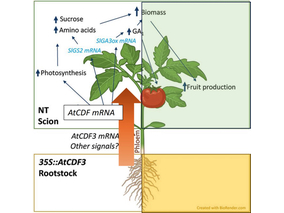
AtCDF3 gene induced greater production of sugars a...
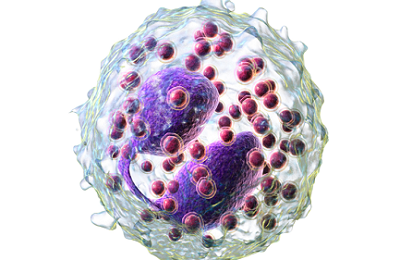
En nuestro post hablamos sobre este interesante tipo de célula del...

Telum Therapeutics, a biotechnology company leveraging proprietary met...