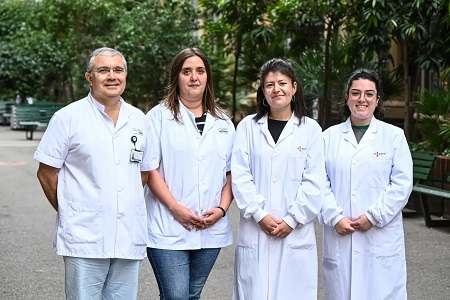
A team from Clínic-IDIBAPS has designed a new cellular immunotherapy strategy to enhance the immune system’s response against invasive fungal infections, especially in people with weakened or suppressed immunity.
The study, developed in preclinical models, was coordinated by Dr. Francisco Lozano, head of the Immune receptors of the innate and adaptive system group at IDIBAPS, and researcher María Velasco-de-Andrés, from the same group, with participation from professionals in the Immunology and Infectious Diseases Departments at Hospital Clínic.
A hard-to-treat infection
Invasive fungal infections (IFI) are caused by fungi such as Candida albicans, Cryptococcus neoformans, Aspergillus fumigatus, or Fusarium solani, and mainly affect people with a weakened immune system.
The World Health Organization has included these fungi in its list of priority pathogens due to their public health impact and treatment difficulty.
Current antifungal drugs have major limitations: few options, toxicity, drug interactions, and the emergence of resistant strains. Moreover, developing new antifungals is complex because fungi and human cells share similar biological traits.
Therefore, new therapeutic strategies that strengthen the immune system’s ability to fight these infections are urgently needed.
A promising alternative against resistant fungi
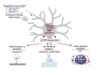
Researchers have designed a new tool to boost the immune system’s antifungal capacity. To achieve this, they modified NK (natural killer) cells, a type of immune cell that forms the body’s first line of defense. These cells were equipped with a “chimeric receptor” (CAR), a kind of sensor that enables them to recognize common structures in the cell wall of many fungi, called β-glucans.
This new receptor, named SRCD5CAR, is based on a protein called CD5, which naturally recognizes these components. Thanks to this modification, NK cells become more strongly activated and destroy fungi more effectively.
In laboratory studies, SRCD5CAR-NK cells showed higher activation and destruction capacity against several fungi, including Candida, Cryptococcus, Aspergillus, and Fusarium. Furthermore, in infected animal models, infusion of these cells reduced fungal load in key organs and improved survival in mice.
“Off-the-shelf” cell therapy
Unlike modified T-cell therapies, which require a customized preparation for each patient, NK cells can be used as a universal treatment (“off-the-shelf”), making them easier to apply in urgent clinical situations such as severe infections.
This new therapy is protected by a patent (WO2023/275402A1) owned by Hospital Clínic, IDIBAPS, and the University of Barcelona, and has led to a clinical trial currently in the implementation phase, funded by the Instituto de Salud Carlos III and the European Union through the Next Generation EU – Recovery and Resilience Facility (RRF/PRTR) program (reference ICI21/00103).
Study reference: Velasco-de-Andrés M, Català C, Carrillo-Serradell L, et al. Adoptive transfer of NK cells engineered with a CD5-based chimeric antigen receptor (SRCD5CAR) to treat invasive fungal infections. Molecular Therapy. 2025. https://doi.org/10.1016/j.ymthe.2025.09.003

La mejor actitud que podemos adoptar es la de trat...

The research team observed changes in head circumf...
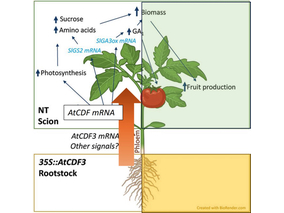
AtCDF3 gene induced greater production of sugars a...
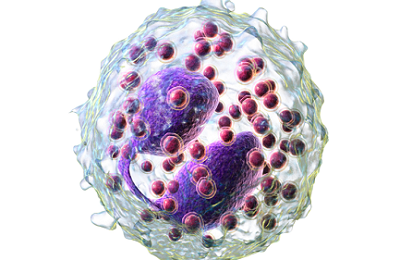
En nuestro post hablamos sobre este interesante tipo de célula del...
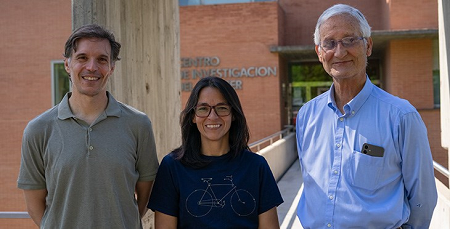
Una revisión internacional, publicada en la revista Molecular Cancer,...