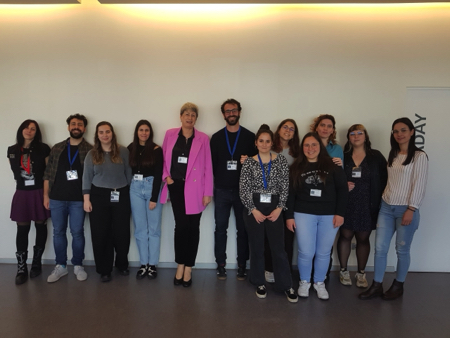
Researchers from the Biosanitary Research Institute of Granada (ibs.GRANADA), the University of Granada of the Federico Olóriz Institute of Neurosciences and members of the group Neuroplasticity and Learning have identified in a preclinical study the long-lasting effects of alcohol consumption on brain function. binge during adolescence. The result of the research shows that adolescents who repeat alcohol consumption by having several drinks in a short period of time have greater sensitivity to alcohol during adult life. The study Adolescent alcohol exposure modifies adult anxiety-like behavior and amygdala sensitivity to alcohol in rats: Increased c-Fos activity and sex-dependent microRNA-182 expression (Adolescent alcohol exposure modifies anxiety-like behavior in adults and amygdala sensitivity to alcohol in rats: sex-dependent increase in c-Fos activity and microRNA-182 expression) has been published in the magazine Pharmacology Biochemistry and Behavior.
These researchers have combined behavioral analysis with immunohistochemical and genetic techniques to study the long-term effects of intermittent alcohol administration during adolescence as a model of binge drinking. The results show that the amygdala, the brain area involved in the regulation of emotions and the search for rewards, shows hyperreactivity in response to alcohol in adults, even after having spent time since adolescence without having been exposed to new consumption. The effects show an increase in neural activity and, specifically in females, an increase in the expression of a microRNA (miR-182), a regulator of genes involved in the development of the nervous system that has been related to stress and depression in humans. . Additionally, behavioral tests confirm enhanced anxiety in adults exposed to alcohol during adolescence.
From all of the above, the researchers conclude that it cannot be ruled out that the permanent plastic changes induced in the amygdala by this early alcohol consumption and in this compulsive mode could subsequently drive consumption in adulthood by inducing a combination of “enhanced anxiety.” ” and “greater reinforcing effect of alcohol.” These findings contribute to understanding the mechanisms responsible for the high risk of alcohol consumption described in adults who began drinking during adolescence.
Alcohol is the most consumed drug in the world among both men and women, and its abuse is responsible for serious health problems that can lead to death. In Spain, according to the 2023 report of the Spanish Observatory of Drugs and Addictions, alcohol is the substance that begins to be consumed at an earlier age, at 16,5 years on average, with a pattern being characteristic of younger ages of risky binge drinking (binge drinking, in English). This is especially worrying because adolescence represents a very sensitive period in terms of the impact of the effects of alcohol on brain development, since it is in its final phases of formation and exposure to external agents can significantly modify permanently its function.
The study is part of the doctoral thesis of Ana Vázquez de Agredos, which has been directed by Milagros Gallo, researcher in the group MP06-Clinical and Basic Neurosciences from ibs.GRANADA and the Department of Psychobiology, and by Cruz Miguel Cendán, from the Department of Pharmacology, and is funded by the research project PID2020-114269GB (MICN) developed by Milagros Gallo and Fernando Gámiz.
Original post:

La mejor actitud que podemos adoptar es la de trat...

The research team observed changes in head circumf...
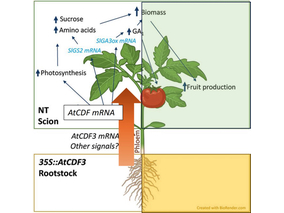
AtCDF3 gene induced greater production of sugars a...
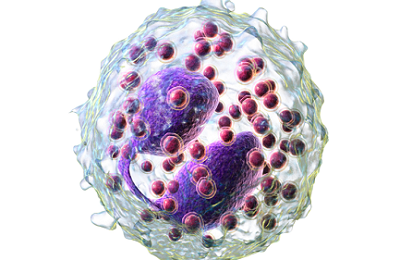
En nuestro post hablamos sobre este interesante tipo de célula del...

Telum Therapeutics, a biotechnology company leveraging proprietary met...