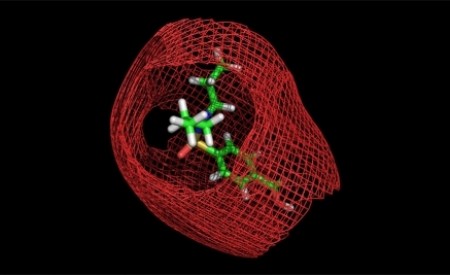
The Mind the Byte SaaS platform now has a new feature: DrugBank, a unique bioinformatics and cheminformatics database that combines detailed drug data (chemical, pharmacological and pharmaceutical) with comprehensive drug target information (sequence, structure, and pathway).
The database contains 8,206 drug entries including 1,991 FDA-approved small-molecule drugs, 207 FDA-approved biotech drugs (protein/peptide), 93 nutraceuticals and over 6,000 experimental drugs. Additionally, 4,333 non-redundant protein sequences are linked to these drug entries. Each DrugCard entry contains more than 200 data fields with half of the information focusing on drug/chemical data and the other half devoted to drug target or protein data.
This project is supported by the Canadian Institutes of Health Research, Alberta Innovates - Health Solutions and the Metabolomics Innovation Centre (TMIC), a not-for-profit organisation that is leading Canada's national genomics strategy with $900 million in funding from the federal government.
"With the addition of DrugBank to our SaaS platform, we now offer one of the most widely used chemical-compound databases on computational drug discovery to all users, giving them the opportunity to run virtual screenings with a great drug database,? explains Alfons Nonell-Canals, CEO of Mind the Byte. Additionally, thanks to this agreement, Mind the Byte will use other DrugBank subsets for its research on machine learning for drug discovery.

La mejor actitud que podemos adoptar es la de trat...

The research team observed changes in head circumf...
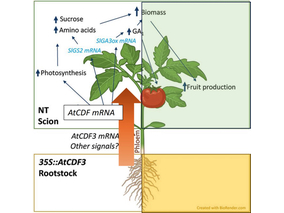
AtCDF3 gene induced greater production of sugars a...
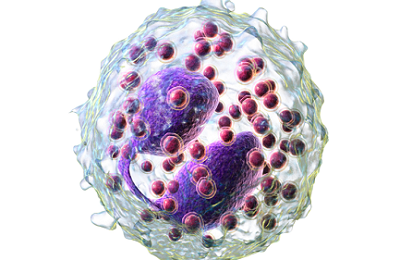
En nuestro post hablamos sobre este interesante tipo de célula del...

Telum Therapeutics, a biotechnology company leveraging proprietary met...