An international group of researchers, including scientists from the University of Navarra, has discovered a surprising mechanism used by the bacterium Brucella abortus to hide from the human immune system. This bacterium is the cause of brucellosis, an infectious disease that can become chronic and affect people and animals in many parts of the world.
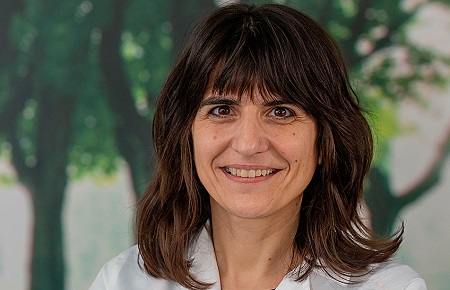
According to the study, published in the journal Nature Communications, the bacteria find refuge in the omentum, a layer of fat that lines the organs of the abdomen. Although this structure has been little studied, it has been revealed as an ideal place for it to go unnoticed by the immune system. "We have discovered that the bacterium not only hides, but also manipulates the environment of the omentum to prevent the body from detecting and attacking it," explains Dr. Raquel Conde-Alvarez, one of the authors of the study.
During experiments in animal models, the scientists found that Brucella infects defensive cells in the body known as macrophages and neutrophils. Under normal conditions, these cells attack pathogens, but in this case, the bacterium causes some of them, especially neutrophils with particular characteristics, to produce a molecule called IL-1RA. This molecule acts as a "brake" that weakens the action of other core topic immune cells, such as T cells, which are responsible for eliminating persistent infections.
This phenomenon was also observed in brucellosis patients, who had high levels of IL-1RA in their blood, which supports the idea that the bacterium employs this trick in humans as well. "This gives us very important clues to understand why some people fail to be completely cured of brucellosis," adds Conde-Alvarez. "It also opens the door to looking for treatments that better activate the body's natural defenses."
Brucellosis remains a common disease in some regions of the world, especially where animal health control is limited. "This scientific breakthrough could help improve its diagnosis and treatment in the future," he concludes.
link to the complete publication: https://www.nature.com/articles/s41467-024-55799-2
Image: ManuelCastells / Dr. Raquel Conde-Álvarez is one of the authors of the study.

La mejor actitud que podemos adoptar es la de trat...

The research team observed changes in head circumf...
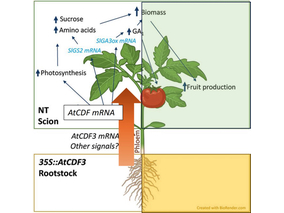
AtCDF3 gene induced greater production of sugars a...
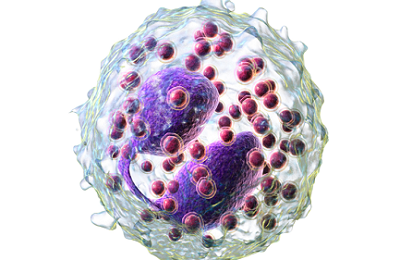
En nuestro post hablamos sobre este interesante tipo de célula del...

Telum Therapeutics, a biotechnology company leveraging proprietary met...