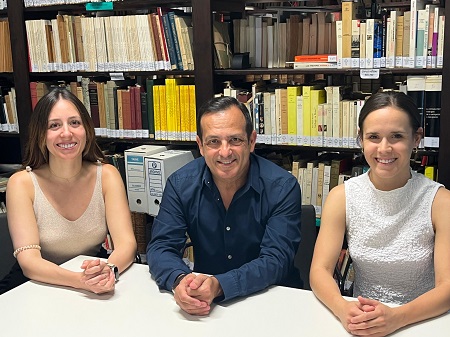
A research team from the Granada Biosanitary Research Institute (ibs.GRANADA) and the San Cecilio Clinical University Hospital has demonstrated, through a pioneering clinical trial, that surgery can be an effective and safe option for improving function, reducing pain, and increasing the quality of life of people with stroke aftereffects. This still underutilized alternative represents a promising alternative to conventional treatment with botulinum toxin.
The study, recently published in the scientific journal PLOS ONE, It was conducted at the San Cecilio University Clinical Hospital (HUCSC) and focuses on the use of surgical techniques to treat upper limb spasticity following a stroke. This condition is characterized by muscle stiffness, pain, loss of autonomy, and difficulty performing basic activities of daily living.
Although the most commonly used treatment is currently botulinum toxin injection, the clinical results of the trial suggest that various surgical techniques, especially the most innovative ones, can provide lasting benefits and improve patients' quality of life. These include peripheral nerve surgery, booming thanks to the development of techniques nerve transfers, initially applied in traumatic brachial plexus injuries and now successfully adapted to patients with acquired brain damage, including infantile cerebral palsy and stroke sequelae.
Unlike previous surgical procedures that required also intervening on the healthy arm, this technique acts exclusively on the affected member, preserving the functionality of the undamaged side and reducing the risk of complications.
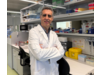
According to Dr. Pedro Hernández, researcher at ibs.GRANADA, professor at the University of Granada and principal investigator of the clinical trial, "This work opens a new therapeutic avenue for patients with stroke sequelae who, until now, had limited therapeutic options. We have shown that surgery can not only improve function and reduce disability, but also bring about positive changes in the brain, activating neuroplasticity processes even in chronic phasesThis reinforces the idea that the nervous system is still capable of adapting and recovering.Hernández adds that the goal is for these techniques to "reach more patients and become a routine part of the multidisciplinary approach to stroke."
The project has had the collaboration of the Traumatology services of the San Cecilio Clinical University Hospital and the Rehabilitation services of the Virgen de las Nieves University Hospital, and with the active participation of patients from the associations NEUROAFEIC y THANK YOU. Their contribution has been key to evaluating not only the functional efficacy of the intervention, but also its impact on quality of life and acceptance among patients and healthcare professionals.
In addition, a complementary study published by the same team in the journal Diagnostics In 2024, magnetic resonance imaging shows that this active surgical intervention mechanisms of brain neuroplasticity, observing positive changes in the gray and white matter of the brain.
Early results of clinical trial show improvements significant in hand function, quality of life for patients, and reduction of burden on caregivers. The initial results of the clinical trial show significant improvements in hand function, patient quality of life, and reduced caregiver burden. Furthermore, the economic evaluation of the procedure shows a favorable cost-effectiveness ratio starting at three years, reinforcing its viability as part of the service portfolio of public health systems.
The project has been developed by the research group TECE21 – Bone Repair, Regeneration and Replacement, from the area of Advanced Therapies and Biomedical Technologies of ibs.GRANADA, with the collaboration of the University of Granada. It has been funded by the Carlos III Health Institute (project PI20/01574), co-financing of the European Union, and the management of the Foundation for Biosanitary Research of Eastern Andalusia-Alejandro Otero (FIBAO).
This work marks a milestone in the search for sustainable solutions for patients with chronic stroke sequelae and opens the door to new lines of research. The clinical trial is currently in its final phase, and the research team has three additional scientific publications under review in high-impact international journals.
About the group
The research group TECE21 – Bone Repair, Regeneration and Replacement The IBS. GRANADA is dedicated to the study of advanced therapies for post-traumatic and degenerative bone defects, with a translational approach to clinical practice. Its multidisciplinary team, comprised of specialists in pathology, dentistry, and orthopedic surgery, works on the exploration of vascularized bone allografts and the analysis of peri-implant diseases, both in dentistry and orthopedic surgery. Its lines of research include bone regeneration, the study of mesenchymal cells, molecular biology and proteomics, the development of biomaterials, and hand and spine surgery.
More information about the group: https://www.ibsgranada.es/grupos-de-investigacion/tece21-repacion-regeneracion-y-sustitucion-osea/
Bibliographic references:
1: Hurtado-Olmo P, González-Santos Á, Pérez de Rojas J, Fernández-Martínez NF, Del Olmo L, Hernández-Cortés P. Surgical Treatment in Post-Stroke Spastic Hands: A Systematic Review. J Clin Med. 2024 Feb 7;13(4):945. doi: 10.3390/jcm13040945. PMID: 38398258; PMCID: PMC10888673.
2: Hurtado-Olmo P, González-Santos Á, Iruela LDO, Castro-Ropero B, Zúñiga-Gómez L, Bueno-García AI, Guijosa-Campos P, Gómez-Pozo B, Hita-Contreras F, Hernández-Cortés P. Impact of surgery on rehabilitation care and quality of life perceived by patient limb with post-stroke spasticity: Study upper protocol for a randomized controlled trial. PLoS One. 2025 Apr 30;20(4):e0322588. doi:10.1371/journal.pone.0322588. PMID: 40305524; PMCID: PMC12043160.
3: Hurtado-Olmo P, Hernández-Cortés P, González-Santos Á, Zuñiga-Gómez L, Del Olmo-Iruela L, Catena A. Changes in the Relationship Between Gray Matter, Functional Parameters, and Quality of Life in Patients with a Post-Stroke Spastic Upper Limb After Single-Event Multilevel Surgery: Six-Month Results from a Randomized Trial. Diagnostics (Basel). 2025 Apr 16;15(8):1020. doi:10.3390/diagnostics15081020. PMID: 40310412; PMCID: PMC12025367.

La mejor actitud que podemos adoptar es la de trat...
The research team observed changes in head circumf...
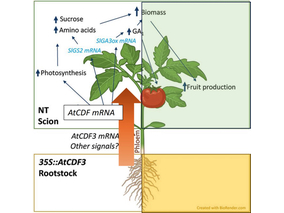
AtCDF3 gene induced greater production of sugars a...
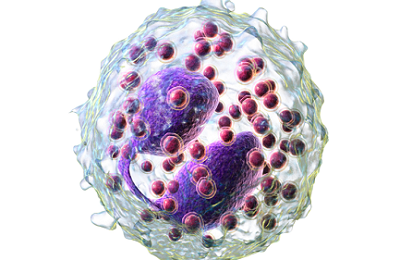
En nuestro post hablamos sobre este interesante tipo de célula del...

Telum Therapeutics, a biotechnology company leveraging proprietary met...