The global phase 3 MANEUVER trial is a three-part, randomized, double-blind, placebo-controlled study designed to evaluate the efficacy and safety of pimicotinib, an oral, highly selective and potent small molecule CSF-1 receptor inhibitor, in patients with tenosynovial giant cell tumor (TGCT), a tumor type of mesenchymal origin which is considered ultra-rare with an incidence of less than one case per million inhabitants per year.
Previously presented at the 2025 American Society of Clinical Oncology (ASCO) Annual Meeting, findings from this study—co-authored by César Serrano, a Medical Oncologist at the Vall d’Hebron University Hospital and Head of VHIO’s Sarcoma Translational Research Group —published today in The Lancet*.
“Tenosynovial giant cell tumor is a rare, locally aggressive mesenchymal tumor. Affecting otherwise healthy adults, particularly young people, it is caused by the overexpression of the CSF-1 protein, which occurs in up to 95 per cent of all cases. This often-recurring soft tissue tumor is associated with high morbidity due to swelling, pain, stiffness, and limited mobility of the affected joints, and significantly impacts quality of life of these patients who currently have very limited treatment options,” said César Serrano.
MANEUVER, the first global phase 3 trial to recruit patents from Asia, EU and North America who were candidates for systemic therapy, enrolled 94 patients who were randomly assigned to receive pimicotinib or placebo (63 versus 31 patients). At week 25, the objective response rate was significantly higher in patients who received pimicotinib, 54% compared to 3.2% in patients assigned to placebo, and the observed tumor volume reduction rate was 63.5% versus 3.3%, respectively.
The reduction in tumor burden in patients treated with pimicotinib led to statistically significant improvements in parameters related to joint function such as range of motion, stiffness, pain control, and general physical function. Thpese data support the efficacy of this targeted therapy in improving symptoms and quality of life.
“With an overall response rate of over 50% in a diverse patient population from around the world, results of this pivotal study show significant improvements in symptoms and quality of life, representing an effective and well-tolerated treatment option,” concluded Serrano.
Pimicotinib is approved as systemic treatment for TGCT patients who are not amenable to surgery in China, and was previously granted breakthrough therapy designation by the U.S. Food and Drug Administration (FDA), as well as priority medicine designation by the European Medicines Agency (EMA). It was also granted orphan drug designation by EMA in January 2024 for the treatment of inoperable TGCT.

La mejor actitud que podemos adoptar es la de trat...

The research team observed changes in head circumf...
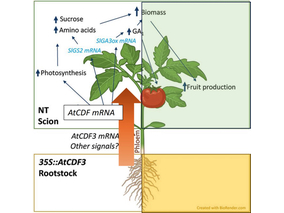
AtCDF3 gene induced greater production of sugars a...
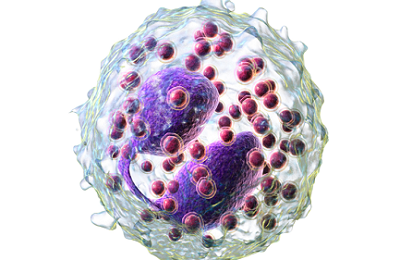
En nuestro post hablamos sobre este interesante tipo de célula del...

Telum Therapeutics, a biotechnology company leveraging proprietary met...