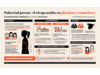
Digital transformation has also reached the realm of clinical trials, offering tools that optimize traditionally complex processes, such as patient recruitment. This evolution not only improves operational efficiency but also significantly expands the reach and equity in access to clinical studies.
In the world of clinical trials, it has long been said that the patient must be at the center of the entire process. However, in practice, this is not always realized as it should be. In a context of constant innovation, we risk that technological advancement may overshadow the fundamental priority: the well-being and active participation of the patient.
The recruitment process cannot be an exception when applying the principle of “the patient first and above all else.” In this case, if applied appropriately, the use of technology represents a good opportunity to improve this process and “empower” patients who may potentially be eligible for a trial. A truly patient-centered strategy involves facilitating access to information about clinical trials relevant to their situation in a clear, transparent, and understandable manner.
From the doctor’s office to the digital environment
Until recently, participant recruitment was almost exclusively carried out in the doctor’s office of the investigator involved in the clinical trial. This limited the visibility of studies to patients treated by those specific professionals. Let’s consider the case of a person diagnosed with primary sclerosing cholangitis. Their case is likely managed by a gastroenterologist or hepatologist at a hospital. At another nearby hospital, a clinical trial is being conducted to test the efficacy and safety of a new treatment for their condition, but their doctor is not involved in this research and is unaware that it is taking place.
In cases like this, it is likely that the patient with primary sclerosing cholangitis will be excluded from the trial, not because they do not meet the admission requirements, but simply due to a lack of awareness of the research. This disconnect between patients and potentially suitable trials is one of the main barriers to recruitment.
Today, however, there are technological solutions that democratize clinical research by applying the best digital communication techniques to show these potential patients the existence of that trial that their doctor has not known or been able to show them. Technological solutions that offer mechanisms to overcome this gap range from digital platforms to clinical trial search engines, to matching tools that allow patients to find active trials that fit their profile, even without the direct involvement of their regular doctor.
With these types of solutions, the patient finds the trial information and can make an informed decision to participate in the clinical research, as long as it is presented in a clear and understandable manner.
It is evident that social media and digital advertising offer an effective way to reach a broader and more diverse audience. Clinical trial sponsors can use platforms like Facebook, Twitter, and LinkedIn to disseminate information about their studies and attract potential participants. Additionally, digital advertising campaigns can be targeted to specific demographic groups, increasing the likelihood of finding suitable candidates. By increasing the visibility of clinical trials, these strategies promote a higher recruitment rate and a faster process.
A study published in the Journal of Medical Internet Research (Topolovec-Vranic et al., 2016) found that the use of social media for recruitment can significantly increase response rates, especially among younger and digitally connected populations.
Artificial Intelligence, telemedicine, and recruitment platforms
The use of technology to improve patient recruitment in clinical trials is a growing trend that offers numerous advantages. From online recruitment platforms to artificial intelligence and telemedicine, these innovations are transforming the way clinical trials are conducted. By adopting these technologies, sponsors can improve the efficiency and accuracy of the recruitment process, ultimately leading to more robust and reliable research results.
Artificial intelligence (AI) is used to analyze electronic medical records and automatically identify potential candidates. This automation, applied with ethical criteria and clinical oversight, can speed up the pre-selection process and reduce administrative burden.
Telemedicine, on the other hand, facilitates access for patients living far from research centers, allowing remote consultations, decentralized follow-up, and greater geographic inclusion. This is especially relevant in the post-pandemic context, where decentralized clinical trial designs (DCTs) have become a viable and safe alternative.
The collection and processing of personal data in the health field are subject to strict regulations, such as the General Data Protection Regulation (GDPR) in Europe or HIPAA in the United States. Health data is considered “especially sensitive,” requiring enhanced security measures and clear, specific, and revocable informed consent.
CROs and study sponsors must implement robust data protection policies, anonymization where possible, and comply with ethical guidelines set by organizations such as ICH-GCP (International Council for Harmonisation – Good Clinical Practice).
Technology, if used ethically, responsibly, and with a patient-centered vision, represents a transformative tool for recruitment in clinical trials. It not only
improves efficiency but also democratizes access to research, offering more patients the opportunity to benefit from innovative therapies.
Integrating these solutions into the daily practice of sponsors, researchers, and CROs is key to building more inclusive, agile, and effective research.
Topolovec-Vranic J, Natarajan K. The Use of Social Media in Recruitment for Medical Research Studies: A Scoping Review. J Med Internet Res. 2016;18(11):e286. doi:10.2196/jmir.5698. Available at: https://www.jmir.org/2016/11/e286

La mejor actitud que podemos adoptar es la de trat...

The research team observed changes in head circumf...
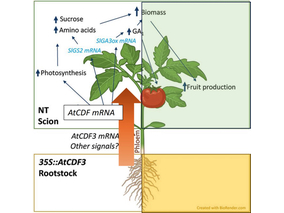
AtCDF3 gene induced greater production of sugars a...
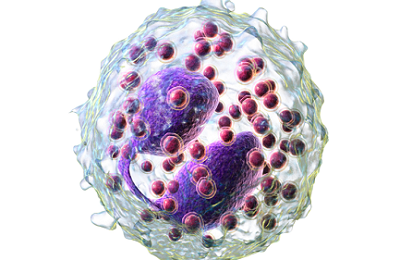
En nuestro post hablamos sobre este interesante tipo de célula del...

Telum Therapeutics, a biotechnology company leveraging proprietary met...