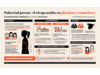
The European Health Data Space (EHDS) will transform the way health data are identified, requested, and used in clinical research, pharmacovigilance, health technology assessment, and regulatory activities.
For organizations dedicated to clinical research, this change opens a regulated and transparent channel for accessing electronic health data for scientific purposes, but it also introduces new compliance, quality, and data protection obligations.
From “hard-to-obtain data” to a regulated access process
The EHDS establishes a uniform procedure: data users (e.g., a CRO, a sponsor, or an academic group) submit an access request to the national health data access body (HDAB); if the case falls within the permitted purposes (scientific research, innovation, algorithm training, public health, or regulatory activities), the HDAB issues a permit and enables access in a secure environment. By default, access will be to anonymized data; if the objective cannot be achieved with anonymized data, pseudonymized data may be authorized, with additional controls and an appropriate legal basis under the GDPR.
For clinical trial managers, this means:
Does it include clinical trial data?
The scope of the EHDS covers electronic health data from a wide range of sources (EHRs, registries, devices, interoperable apps, genetic data, etc.). Regarding clinical trials, the recitals of the final text indicate coverage for data from trials that have concluded, with nuances regarding the timing of first publication of results and potential national limitations (e.g., genomics or biobanks). This will require careful reading of implementing acts and national guidance to understand what will be accessible, when, and how.
Key timelines affecting research
Practical impact on the study lifecycle

La mejor actitud que podemos adoptar es la de trat...

The research team observed changes in head circumf...

AtCDF3 gene induced greater production of sugars a...
En nuestro post hablamos sobre este interesante tipo de célula del...

Telum Therapeutics, a biotechnology company leveraging proprietary met...