Sudden death is one of the leading causes of mortality in the general population, particularly among younger age groups (up to 50 years old). Cardiac conditions are the main cause of these unexpected deaths, which in many cases may be linked to hereditary diseases.
This led, in 2012, the Cardiovascular Genetics Group at the Girona Biomedical Research Institute Dr. Josep Trueta (IDIBGI) to establish a collaboration with the Institute of Legal Medicine and Forensic Sciences of Catalonia (IMLCFC) under the Department of Justice and Democratic Quality, launching the MOSCAT Project —Sudden Death in Catalonia— with the aim of preventing such cases. Since then, the project has analyzed more than 1,200 samples from sudden death victims, making it today the largest study based on post-mortem genetic analysis —also known as molecular autopsy— to determine the presence or absence of hereditary factors in such deaths.
The results of this study, now published in the scientific journal Journal of Molecular Diagnostics, reveal, among other findings, that in individuals aged 35 and under who died suddenly with no determined cause, genetic testing identified hereditary factors associated with cardiac pathologies in 9.5% of the cases.
Over a Decade of Genetic Testing
Specifically, the study is based on post-mortem genetic analyses of 1,252 cases collected over more than a decade. The Cardiovascular Genetics Group divided them into two groups: 685 cases corresponding to individuals aged 35 and under, and 567 cases between 36 and 50 years old. It was in the first group where pathogenic cardiac-related factors were detected in 9.5% of deaths.
Within this first group, the highest incidence of genetic factors was found in deaths caused by thoracic aortic aneurysms (rupture of a section of the artery due to wall weakness) and myocarditis (inflammation of the myocardium), accounting for 33.3% of cases. The significance of these results has led the researchers to recommend routine genetic testing in this group.
In the group aged 36 to 50, the rate of sudden death linked to genetic causes was lower (4.9%), with thoracic aortic aneurysms remaining the leading cause (33%). In this group, the study proposes a more selective approach, recommending genetic testing only when the autopsy fails to clarify the cause of death or when there is suspicion of a hereditary structural cardiac disease.
Collaboration with the IMLCFC
The Institute of Legal Medicine and Forensic Sciences of Catalonia (IMLCFC), under the Department of Justice and Democratic Quality, is responsible for collecting and providing the Cardiovascular Genetics Group at IDIBGI with samples from autopsies of sudden deaths in individuals aged up to 50 with no clear cause —known as “white autopsies”— or in which there was a suspected cardiac cause.
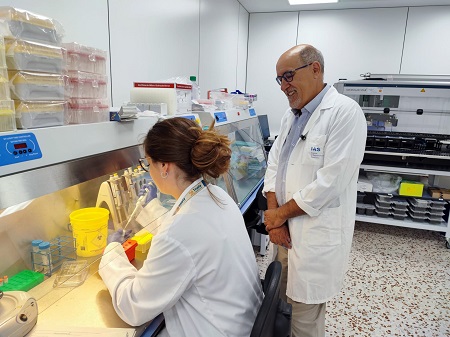
All samples are analyzed at the Molecular Diagnostics Laboratory of the Girona Health Region, located in the Parc Hospitalari Martí i Julià in Salt, a facility equipped with cutting-edge technology for DNA sequencing and the detection of genes linked to hereditary cardiovascular diseases.
In 2022, IMLCFC professionals collected samples from 214 cadavers, of which around 170 underwent genetic studies —a figure that has remained relatively stable over the years.
Importance for Prevention
Beyond determining the existence of genetic factors in sudden deaths, the study highlights the preventive value of conducting these post-mortem genetic tests.
“Identifying a genetic cause allows us to detect relatives of the deceased person and implement preventive measures such as regular cardiology check-ups,” explains Dr. Ramon Brugada, Head of the Cardiology Department at the Dr. Josep Trueta University Hospital of Girona, IDIBGI researcher, and one of the main promoters of the study. “The medical consensus is always to inform family members to prevent a possible second death,” he adds.
In this context, it is the IMLCFC that contacts the direct relatives to communicate the positive genetic diagnosis, enabling them to inform their physician and begin appropriate follow-up.
For this reason, in 2023 the IMLCFC created a Sudden Death Unit to improve the detection of hereditary pathologies that could trigger sudden death.
A second valuable contribution of the study, according to its authors, is that it provides an evidence-based protocol for forensic doctors and cardiologists. “With over a thousand cases analyzed, the study offers a procedure to determine in which sudden death scenarios genetic analysis clearly provides benefit, optimizing resources and, above all, helping to prevent future family deaths,” concludes Dr. Brugada.

La mejor actitud que podemos adoptar es la de trat...

The research team observed changes in head circumf...
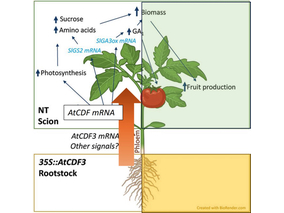
AtCDF3 gene induced greater production of sugars a...
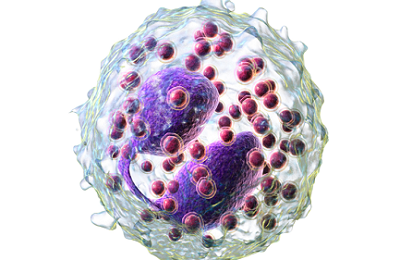
En nuestro post hablamos sobre este interesante tipo de célula del...

Telum Therapeutics, a biotechnology company leveraging proprietary met...