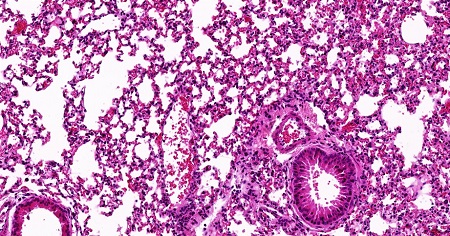
In experimental studies evaluating immunotherapy for lung cancer, the tumour microenvironment is key to generating a complex immune response similar to that seen in the body. This is according to a multidisciplinary study involving three research teams from the Department of Medicine and Life Sciences (MELIS) at Pompeu Fabra University. Therefore, the experts propose changing the standard technique used to study the potential of immunotherapeutic drugs so as not to lose sight of the effect of the context. ‘When we study the tumour in a context more akin to its in vivo environment, we observe a more complex and reliable immune response that goes beyond the dynamics of the tumour cells.,’ explains Ivan Zadra, who is co-first author of the study with Etna Abad, Anastasia Krasko, and Víctor Cerdán Porqueras. With this new approach, the authors are confident that from now on the therapeutic potential of drugs for immunotherapy of adenocarcinomas in experimental phases can be better predicted.
To study the effect of immunotherapy in the laboratory, you first need a tumour. And for years, the most commonly used technique to generate this structure has been the subcutaneous injection of cancerous cells into mice. Thus, cells that could give rise to lung cancer or adenocarcinoma – the tumour that causes the most deaths in women in Spain – are injected outside their natural context.
Thus, a study published in Cancer Letters explains that when tumour cells are injected orthotopically – into their native tissue, in this case the lung – they elicit a more complex response in the body in terms of tumour dynamics, the immune response and the gene expression profile of the cells involved. Thus, when orthotopic tumours are treated with immunotherapeutic drugs to stimulate the body's own immune system to combat the disease, the outcome is more complex.
‘Until now, experimental pharmacological studies have placed a great deal of emphasis on reducing tumour size, but this is only one of the consequences of the treatment,’ explains Ana Janic, head of the MELIS-UPF Cancer Biology group, who has coled the research with Cristina López-Rodríguez and Jose Aramburu. She adds, ‘Immunotherapeutic treatment in tumours developed within the same lung not only reduces the size of the tumour but also leads to changes in the types of cells found in the tumour and increases the population of CD4+ cells, which activate the immune system.’
‘When we take the tissue-specific tumour microenvironment into account, we get a more complex and biologically relevant response that allows us to better predict the therapeutic potential of drugs’ comments Zadra. And indeed, according to the authors, if future experiments were to take the effect of the microenvironment into account, more robust results would be obtained and animals, time and resources could be saved in preclinical studies of new immunotherapies.
About the study:
This study involved the research groups in Cancer Biology, Immunology and Endocrine Regulatory Genomics of the Department of Medicine and Life Sciences at Pompeu Fabra University.
This work was made possible by funding from the 2022 MELIS-María de Maeztu Inter-Programme Exploratory Projects call, the Ministry of Science and Innovation, the La Caixa Foundation, the NextGenerationEU funding from the European Union, the Spanish National Cancer Research Association, ICREA and Worldwide Cancer Research.
Image: Detail of lung tissue. Credit: Ivan Zadra, UPF.
Reference article: Ivan Zadra, Etna Abad, Anastasia Krasko, Víctor Cerdán Porqueras, Marc Subirana-Granés, Diana Reyes, Pablo Borredat, Lorenzo Pasquali, Jose Aramburu, Cristina López-Rodríguez, Ana Janic, A novel mismatch repair deficient lung adenocarcinoma model for immunotherapy research, Cancer Letters, Volume 629, 2025, 217882, ISSN 0304-3835, https://doi.org/10.1016/j.canlet.2025.217882.

La mejor actitud que podemos adoptar es la de trat...

The research team observed changes in head circumf...
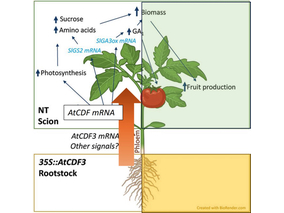
AtCDF3 gene induced greater production of sugars a...
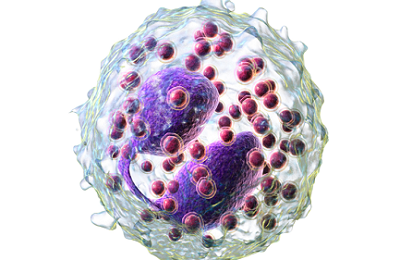
En nuestro post hablamos sobre este interesante tipo de célula del...

Telum Therapeutics, a biotechnology company leveraging proprietary met...