Researchers at the Institute of Biocomputation and Physics of Complex Systems (BIFI) at the University of Zaragoza have achieved an important advance in immunotherapy by developing antibodies capable of recognizing with great precision certain anomalous sugars that are only present in tumor cells . The study, led by Professor Ramón Hurtado-Guerrero , ARAID researcher at BIFI, has included the participation of the University of La Rioja , the University of Zaragoza and the Danish biotechnology company Combotope , and has been published in the prestigious journal Nature Chemical Biology . Identifying these structures accurately has been a challenge for decades due to their complexity and the poor immune response they generate.
This new discovery would allow for a more precise diagnosis , detecting tumor cells with great sensitivity, as well as a more effective and targeted treatment , because antibodies can enter the tumor cell (not all do), which makes them perfect for transporting drugs (ADCs: antibody-drug conjugates), and they can also be adapted for different types of cancer.
Ramón Hurtado-Guerrero , corresponding author and also first author along with Irene Ginés-Alcober (a PhD student in his group), highlights that “these antibodies show extraordinary affinity and are capable of internalizing into tumor cells, making them ideal candidates for targeted treatments.” In his opinion, detecting and attacking only the cells with these sugars is a difficult but highly valuable goal. “These sugars generate a very weak immune response on their own, so until now they were difficult to harness for therapies or diagnostics. Therefore, using them would allow us to attack cancer without damaging healthy cells.”
These sugars are called Tn and STn, and they are a kind of “tags” that appear on proteins on the surface of tumor cells, but not on healthy cells. Tumor cells often produce altered glycoproteins decorated with truncated forms of sugars like the Tn antigen and its sialylated variant, STn , which are not found in healthy tissue. These sugars are attached to proteins that act as carriers, forming unique structures called combotopes .
What exactly has been achieved?
They have developed smart antibodies that recognize this sugar-protein combination (the combotope) with a precision never before achieved. “It's not just the sugar that matters, but the specific combination of sugar and protein. It's like a very specific lock, and you need a key (antibody) that recognizes both at the same time,” explains Hurtado-Guerrero.
The team overcame this obstacle by combining advanced techniques—X-ray crystallography with phage display antibody selection techniques —to develop an intelligent antibody library. This library enabled them to generate antibodies capable of simultaneously recognizing both the sugar and peptide portions of the combotope, with unprecedented specificity. Furthermore, they demonstrated that it was possible to strategically modify the sugar-recognizing region of the antibody to change its specificity from Tn to STn, thus opening the door to the rational design of personalized therapies.
This breakthrough represents a new strategy for addressing the complexity of the tumor glycocalyx and opens the door to personalized immunotherapy based on antibodies specific to combotopes . In addition to their therapeutic potential, the new antibodies demonstrate remarkable internalization capacity, making them ideal for use in antibody-drug conjugates (ADCs) , designed to deliver the treatment directly into the cancer cell.
This work consolidates the leadership of Hurtado-Guerrero's group in the structural study of tumor glycoproteins and their recognition by the immune system, marking an important step toward more precise and effective cancer therapies.
Javier Macías-León , Andrés Manuel González-Ramírez, Billy Veloz , and Irene Ginés-Alcober (first author) also participated prominently in the purification and crystallization of these antibodies , all of them doctoral thesis fellows under the supervision of Hurtado-Guerrero.
The study also included key contributions from Professor Paco Corzana's research group at the University of La Rioja, an expert in the chemical study of tumor glycans, as well as from Professor Pedro Merino (University of Zaragoza). The two researchers jointly conducted molecular dynamics studies that helped us understand how antibodies interact with tumor glycopeptides at the atomic level. Furthermore, Mattia Ghirardello , a postdoctoral researcher in Corzana's group, was responsible for the synthesis of the tumor glycopeptides used in the study.
The work also included the collaboration of Spyros Gatos and Ola Blixt , researchers at the Technical University of Denmark (DTU) and the company Combotope , which specializes in the development of technologies for the detection of tumor glycans.
Ramon Hurtado-Guerrero 1,2,3† *, Spyridon Gatos 4† , Irene Ginés-Alcober 1† , Javier Macías-León 1† , Andrés Manuel González-Ramírez 1 , Ilknur Kasapoglu 4 , Billy Veloz 1 , Ismael Compañón 5 , Mattia Ghirardello 5 , Pedro Merino 1.6 , Francisco Corzana 5 , and Ola Blixt 4.7† *. Recognizing Tn and STn Epitopes in Protein Context: Structural Advances in Phage Display Libraries for Tumor-Specific Antibody Discovery. Nature Chemical Biology , just accepted, 2025. * corresponding authors; † equal contribution
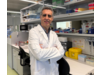
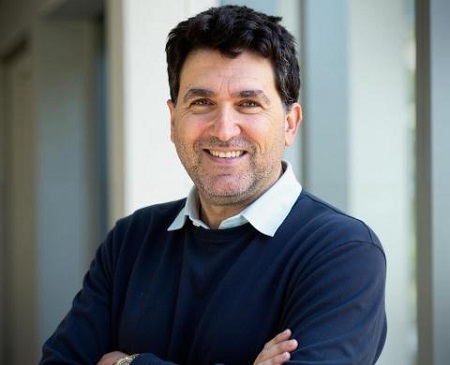
Image: Ramón Huratado, ARAID researcher at BIFI.

La mejor actitud que podemos adoptar es la de trat...

The research team observed changes in head circumf...
AtCDF3 gene induced greater production of sugars a...
En nuestro post hablamos sobre este interesante tipo de célula del...

Telum Therapeutics, a biotechnology company leveraging proprietary met...