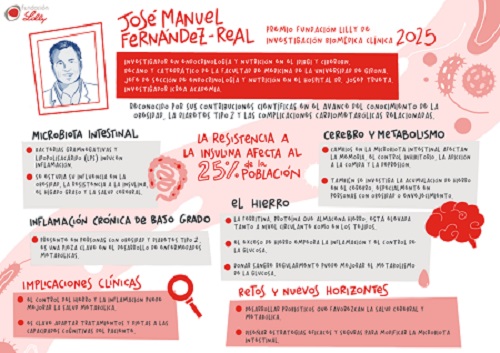
What do type 2 diabetes, food addiction, fatty liver, depression, and memory loss have in common? The answer may lie in the way the gut and brain communicate. This is the hypothesis that Dr. José Manuel Fernández-Real, researcher at the Girona Biomedical Research Institute (IDIBGI), has confirmed with clinical and biological evidence, thus revolutionizing the understanding of complex metabolic disorders. For having established this new clinical framework and proposed innovative strategies for diagnosis and treatment, this endocrinologist and researcher has been awarded the 2025 Fundación Lilly Award for Clinical Biomedical Research.
"Today everyone is talking about it, but our team was a pioneer in talking about gut microbiota and low-grade chronic inflammation," says Fernández-Real, researcher at IDIBGI and CIBEROBN, Head of the Endocrinology and Nutrition Section at Dr. Josep Trueta Hospital, Dean and Professor at the Faculty of Medicine at the University of Girona, and ICREA Academia researcher. It all began with a question about insulin resistance, present in one out of every four people. "We asked ourselves whether resistance could have been protective at some point in evolution, and we found that chronic inflammation was the common link." From there, his group has followed the trail of lipopolysaccharide (LPS), a bacteria-derived molecule that induces inflammation. They discovered that patients with obesity and type 2 diabetes have an altered gut microbiota, rich in gram-negative bacteria that release LPS. This composition not only promotes inflammation but is also linked to fatty liver, depression, cognitive impairment, and food addiction.
Training memory: a new tool to personalize treatments
One of Dr. Fernández-Real’s most disruptive findings is that many patients with metabolic disorders present cognitive impairments, especially in recent memory and inhibitory control, which make it difficult to follow treatments. "We have shown that there is an impairment in recent memory. If we don’t use recall strategies, diets won’t be followed. Not because patients don’t want to, but because they don’t remember," he explains.
His group is currently working on cognitive training programs, such as digital games, to help patients remember and maintain habit changes. The goal is to personalize treatment based on brain function, not just weight. "This has opened our eyes: the patient is not to blame for not following the diet. There is a neurocognitive component that we must address," he adds.
Iron, the other forgotten factor
Another key aspect of his research has been the role of iron in metabolism. His team was the first to describe that elevated ferritin levels — the protein that stores iron — are associated with metabolic syndrome, a pioneering approach that opened new pathways to understand and treat metabolic disorders from this perspective.
One of the most relevant findings, first published in Girona in 2002, was the relationship between reduced iron levels and improved control of type 2 diabetes observed in patients who donated blood. A discovery that generated great interest and had a global impact.
The relevance of this line of research is confirmed by the recent publication, in Nature Reviews Endocrinology, of an international consensus document on “metabolic ferritin”, promoting its analysis as an emerging clinical tool.
A scientific career of international reference
Dr. José Manuel Fernández-Real is Head of the Endocrinology and Nutrition Section at the Dr. Josep Trueta Hospital in Girona, Dean and Professor at the Faculty of Medicine at the University of Girona, researcher at the Girona Biomedical Research Institute (IDIBGI), the CIBER of Obesity and Nutrition (CIBEROBN), and ICREA Academia researcher. With more than 600 scientific publications and a high international citation index, he is one of the most recognized biomedical researchers in Spain. His career stands out for having established pioneering connections between metabolism, gut microbiota, and brain function, and for having positioned the gut-brain-metabolism axis as a new paradigm in the study of complex chronic diseases. Throughout his career, he has combined clinical practice with translational research and has opened new avenues for personalizing the treatment of obesity and diabetes from a scientific, innovative, and deeply human perspective.
About Fundación Lilly
The Fundación Lilly aims to contribute to the development of Spanish healthcare for the benefit of citizens’ health; to promote SCIENCE and research, as well as the dissemination of culture and scientific outreach in society; to support the development of MEDICINE through the generation and dissemination of biomedical knowledge, the training of professionals, and medical education; and to foster the core values of HUMANISM in healthcare. In the field of Science, it annually organizes the Biomedical Research Awards, Science Encounters, and supports various scientific outreach initiatives. In the area of Medicine, it promotes programs such as the Medical Education Chair, MEDES – MEDicine in ESpañol, and healthcare management training. The Patient-Centered Medicine initiative and activities around the figure of the Spanish physician and humanist Andrés Laguna, as well as the dissemination of Ramón y Cajal’s legacy, are at the heart of its medical humanism initiatives.

La mejor actitud que podemos adoptar es la de trat...

The research team observed changes in head circumf...
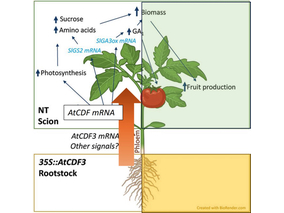
AtCDF3 gene induced greater production of sugars a...
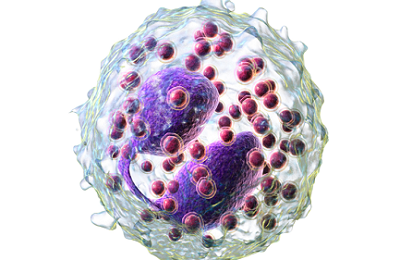
En nuestro post hablamos sobre este interesante tipo de célula del...

Telum Therapeutics, a biotechnology company leveraging proprietary met...