Organic farming has experienced significant growth in recent years, and with it comes the need for clear standards that guarantee the transparency and safety of the inputs used. The UNE 142500 standard has become a key reference to regulate which products can be used in organic agricultural production.
This guide explains in simple terms what the standard is, what it regulates and why it is so important for farmers, distributors and certification bodies.
What Is the UNE 142500 Standard?
The UNE 142500 is a Spanish standard that defines the requirements that fertilizers, soil amendments and substrates must meet in order to be considered suitable for use in organic farming. It provides clarity and assurance about which inputs truly comply with organic criteria.
What Does UNE 142500 Establish?
The standard sets out key aspects such as:
In essence, it ensures that the products used are natural, safe and fully aligned with European organic production regulations.
Why UNE 142500 Is Key for Organic Farming
As the organic market expands, the importance of clearly regulated inputs becomes evident. This standard brings multiple benefits.
Legal certainty
It gives farmers and distributors the assurance that the products they use comply with legal requirements for organic certification.
Market transparency
It helps distinguish products that are truly suitable for organic farming from those that do not meet the criteria.
Confidence for certifiers and consumers
With regulated inputs, certification bodies work with more confidence and consumers receive genuinely organic products.
Professionalisation of the sector
It raises the overall standard of input manufacturers and suppliers, fostering quality and professionalism.
How UNE 142500 Affects Farmers and Businesses
The standard has a direct impact on input selection and the certification process.
For farmers
For manufacturers and distributors
Conclusion
The UNE 142500 standard has become a fundamental pillar in ensuring transparency, quality and safety in organic farming. Its implementation strengthens the sector and guarantees that the inputs used truly meet the strict requirements of organic production.
If you want to learn more about organic agriculture or plant‑based biotechnological solutions, you can visit: https://neoalgae.es/agro-en/

La mejor actitud que podemos adoptar es la de trat...

The research team observed changes in head circumf...
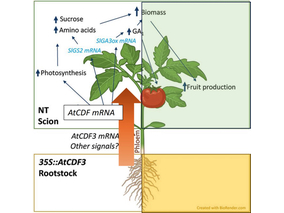
AtCDF3 gene induced greater production of sugars a...
En nuestro post hablamos sobre este interesante tipo de célula del...

Telum Therapeutics, a biotechnology company leveraging proprietary met...