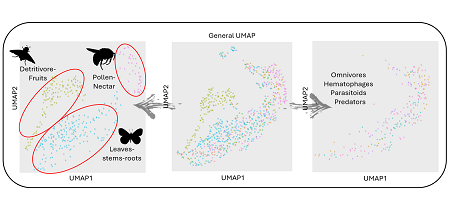
Researchers from the CBGP and CIB-CSIC have revealed how CAZymes, essential enzymes involved in carbohydrate processing, evolve in arthropods according to their diet and lifestyle, opening new possibilities for biotechnology and pest control.
Carbohydrate-active enzymes (CAZymes) are specialized proteins that build, modify, and break down complex sugars and carbohydrates. These enzymes are found in all forms of life and play important roles in how organisms get energy, build cell structures, interact with microbes, and respond to disease. CAZymes are made of different functional parts, called domains, and the arrangement of these parts affects how the enzymes work, what materials they can process, and how they fit into larger biological systems.
Arthropods - a group that includes insects, spiders, and crustaceans - are especially useful for studying these enzymes because they live in many different environments and eat a wide variety of foods. Their enzymes must therefore adapt to very different diets and conditions.
In this study, the researchers from the CBGP´s “Molecular plant-pest dynamics for sustainable protection” group, in collaboration with researchers from CIB-CSIC, analyzed CAZymes across many arthropod genomes to understand how the structure of these enzymes relates to diet, lifestyle, and evolutionary group. They found that most CAZymes are relatively simple, containing only one main functional part, while more complex combinations are uncommon but highly diverse.
Diet turned out to be one of the strongest influences on enzyme structure. Different feeding groups - such as decomposers, plant-, pollen- or nectar-feeders - showed distinct enzyme patterns, including differences in enzyme types, structural complexity, and the kinds of chemical reactions they perform.
The researchers also discovered that several major CAZyme groups tend to expand together within genomes, especially in millipedes, centipedes, and crustaceans. In insects and plant-feeding species, the internal networks connecting different enzyme domains were especially dense and interconnected. Certain enzyme families, particularly GT2 and several carbohydrate-breaking domains, appeared to play central roles in these networks.
Overall, the study suggests that arthropod CAZymes evolve as coordinated systems rather than as isolated enzymes. Their structure and balance appear to adapt closely to ecological needs such as diet and environment. The findings could help guide future biotechnology applications, including the design of industrial enzymes and new strategies for pest control.
Original Paper: Ojeda-Martinez, D.✉, Boter, M., Ortego, F., Santamaria, M.E.✉ 2026. Unveiling CAZyme modularity patterns: Comparative genomics links domain architecture to arthropod diets and life histories. International Journal of Biological Macromolecules 367, 152547. DOI: 10.1016/j.ijbiomac.2026.152547
Image:

La mejor actitud que podemos adoptar es la de trat...

The research team observed changes in head circumf...
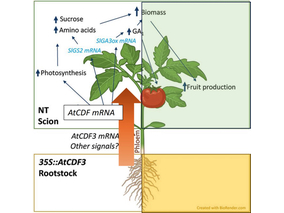
AtCDF3 gene induced greater production of sugars a...
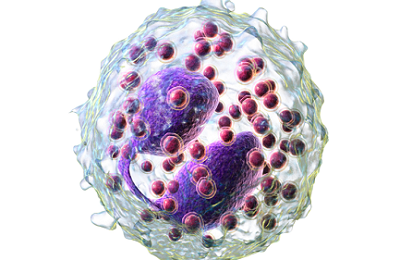
En nuestro post hablamos sobre este interesante tipo de célula del...

Telum Therapeutics, a biotechnology company leveraging proprietary met...