Biotechnology has revolutionized modern medicine, and in the Spanish market, its application in advanced therapies is making a significant difference. Among the most prominent emerging technologies are microbiota manipulation, CAR-T cell therapies, and gene editing using CRISPR-Cas9. These innovations are not only transforming the treatment of severe diseases but are also positioning Spain as a leader in biomedical research and development.
Microbiota Manipulation
The microbiota, the collection of microorganisms that inhabit the human body, plays a crucial role in health and disease. In Spain, research on the microbiota has advanced considerably, focusing on its manipulation to treat various conditions, from gastrointestinal diseases to immunological and metabolic disorders. Recent studies have shown that fecal microbiota transplants can be effective in treating recurrent Clostridioides difficile infections, a condition difficult to manage with conventional antibiotics. Additionally, personalized probiotics and prebiotics are being explored to balance the microbiota and improve overall health.
CAR-T Cell Therapies
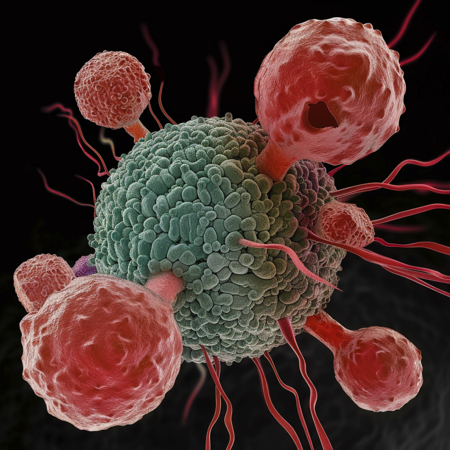
CAR-T cell therapies represent one of the most promising innovations in cancer treatment. This technology involves genetically modifying the patient's T lymphocytes to express a chimeric antigen receptor (CAR) capable of recognizing and destroying cancer cells. In Spain, successful clinical trials have led to the approval of CAR-T therapies for certain types of leukemia and lymphoma. Institutions such as the Hospital Universitario de La Paz and the Hospital Clínic de Barcelona are at the forefront of implementing these therapies, offering hope to patients with cancers refractory to conventional treatments. Research is even underway to use this technology for asthma treatment, giving a multidisciplinary and transversal approach to an already established methodology.
Gene Editing with CRISPR-Cas9
The CRISPR-Cas9 technology has opened new frontiers in gene editing, allowing precise and efficient modification of DNA. In the Spanish context, this tool is being used in both basic research and clinical applications. An area of particular interest is the correction of genetic mutations responsible for hereditary diseases. Researchers in Spain are working on projects to treat conditions such as cystic fibrosis and Duchenne muscular dystrophy through gene editing. Although still in experimental stages, preliminary results are promising and suggest that CRISPR-Cas9 could revolutionize genetic medicine in the near future. In Europe, there is already a treatment based on this technology for well-known diseases such as thalassemia or sickle cell anemia, marketed under the name Casgevy.
New Technologies and the Future
The advancement of these advanced therapies in Spain would not be possible without the support of new technologies and the appropriate infrastructure. Bioinformatics, for
example, plays a fundamental role in analyzing large volumes of genetic and microbiological data, facilitating the identification of new therapeutic targets and the personalization of treatments. Additionally, 3D printing is being used to create personalized models of organs and tissues, improving the precision of treatments and reducing surgical risks.
The Spanish market also benefits from solid collaboration between public and private institutions. Universities and research centers work closely with the pharmaceutical and biotechnological industries to bring discoveries from the lab to the clinic. This synergy is crucial for the rapid translation of research into effective and accessible therapies for patients.
In conclusion, biotechnology is transforming the landscape of advanced therapies in Spain. Microbiota manipulation, CAR-T therapies, and gene editing with CRISPR-Cas9 are just some examples of how these innovations are improving patients' lives. With continued support for research and the development of new technologies, Spain is well-positioned to lead the next wave of advances in personalized medicine and advanced therapies.
The Role of Konexio Biotech
Within this dynamic scenario, Konexio Biotech is playing a crucial role as a driver of innovation and the development of new biotechnology projects. The company has distinguished itself by its commitment to supporting cutting-edge initiatives, facilitating collaboration among researchers, academic institutions, and the industry. Konexio Biotech not only provides technical resources but also offers a platform for the incubation of biotech startups, helping to transform innovative ideas into concrete therapeutic solutions. Its focus on advanced biotechnology has been fundamental in accelerating the development of pioneering therapies and positioning Spain as a leader in the global biotechnology sector.

La mejor actitud que podemos adoptar es la de trat...

The research team observed changes in head circumf...
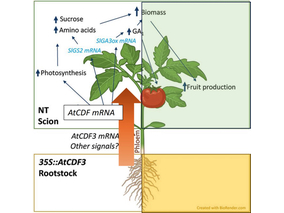
AtCDF3 gene induced greater production of sugars a...
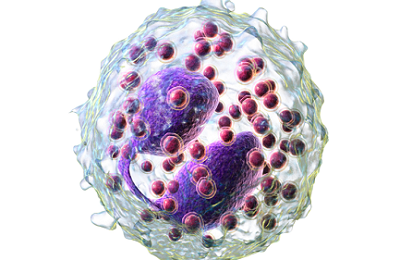
En nuestro post hablamos sobre este interesante tipo de célula del...

Telum Therapeutics, a biotechnology company leveraging proprietary met...